- CBT and ACT methods
- Motivational interviewing
- Works with older adults
About James
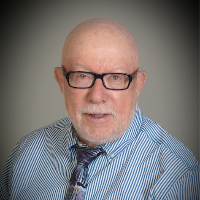
Dr. James Kowalski is a Licensed Clinical Mental Health Counselor, holding LCMHC and LMHC credentials, with 30 years of experience. He practices in West Virginia and focuses on common struggles such as anger, anxiety, depression, stress, and addictions.
He uses straightforward, goal-focused conversation to help people understand how anger shows up in their life. Sessions often look at what triggers rising frustration, patterns that escalate conflict, and small changes people can try between meetings. He also addresses related concerns like grief, relationship strain, low self-esteem, and substance use when these connect to anger or coping.
Over three decades in counseling, he has worked with many adults facing long-term stressors and life transitions. He has particular experience with addiction-related challenges and with older adults dealing with aging and caregiver stress. His background includes work across several states and a mix of clinical settings.
His way of working blends Cognitive Behavioral Therapy with Client-Centered methods, Acceptance and Commitment Therapy, Mindfulness techniques, and Motivational Interviewing. That mix makes room for practical skills, personal reflection, and motivation to change.
People who come for help can expect a conversational, interactive style. Sessions focus on skills to manage impulses, strategies to reduce resentment, and ways to repair strained relationships. He asks about real-life situations and builds steps that fit the client’s daily routines.
How his approaches work in online sessions
Acceptance and Commitment Therapy (ACT) focuses on noticing thoughts and feelings without getting driven by them. It helps people make choices that match their values even when anger or strong emotions appear.Cognitive Behavioral Therapy (CBT) looks at the links between thoughts, feelings, and actions. It teaches concrete skills to spot unhelpful thinking and try different responses when anger comes up.
Mindfulness techniques are used to increase awareness of body signals and breathing. These practices can make it easier to pause before reacting and to reduce the intensity of an outburst.
Finding the right mix of methods is part of the process. The therapist works collaboratively to decide which approaches fit the client’s goals and day-to-day life. He adjusts the plan as progress or new challenges appear.
Session formats are not specified in the biography, so confirm current online options before booking. Online work can make it simpler to fit appointments into a busy schedule, allow shorter check-ins during a workday, or reduce travel time. The emphasis is on practical ways to apply skills between sessions so learning carries over into everyday situations.
Areas of expertise
Primary focus
Also works with
Additional focus areas
Therapeutic approaches
Experience
30+ years
Credentials
Georgia, North Carolina, Florida, West Virginia
Languages
English
Frequently asked questions
What kinds of problems does he address?
He works with anger, stress, anxiety, depression, addictions, grief, relationship and trauma-related concerns among adults.
How would he approach my anger?
He combines Cognitive Behavioral Therapy, Acceptance and Commitment Therapy, Client-Centered methods and Motivational Interviewing to identify triggers and teach coping skills.
How much experience does he have?
He has 30 years of experience in the helping professions and has worked in a variety of clinical settings across multiple states.
What are his credentials and where does he practice?
He holds LCMHC and LMHC credentials and practices in West Virginia with licensure noted in NC LCMHC and FL LMHC.
Does he work in languages other than English?
Sessions are offered in English only.
Can international clients work with him?
He does not accept international clients at this time.
How are fees and payments handled?
Cost varies with location and sessions use a subscription model that can be canceled at any time.
What are the first steps to begin sessions?
Select the See online therapy options button, complete a short matching questionnaire, and schedule a first session.
Online talk therapy is not emergency care, and no counselor can promise a particular result. If you might hurt yourself or someone else, call or text 988, or call 911. More urgent help