- CBT techniques
- ACT and mindfulness
- Motivational interviewing
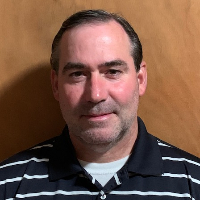
About Aaron
Aaron Duckworth is a Licensed Clinical Social Worker (LCSW) licensed in Oklahoma with ten years of experience. He works with people dealing with anger alongside stress, anxiety, addiction, trauma, depression, relationship strain, grief, eating concerns, parenting challenges, and self-esteem problems.
Aaron focuses on practical, short-term goals. He helps people identify what they want to change and then builds a working plan to get there. He emphasizes client choice and avoids judgement while talking through current struggles.
His background includes work with addiction and co-occurring disorders, relapse prevention, and veteran issues. He also has experience with obsessive compulsive disorder, intrusive thoughts, impulse control concerns, and self-harm. That range informs how he structures sessions and homework.
In session he uses solution-focused techniques and cognitive behavioral methods to spot patterns and test small changes. He also draws on Acceptance and Commitment Therapy and mindfulness practices to help people tolerate strong feelings without acting on them. Motivational interviewing is used when ambivalence about change is present.
Aaron keeps a small caseload so he can focus on practical steps with each person. He asks straightforward questions, suggests rehearsed skills to try between sessions, and checks progress together. This approach is aimed at people who want clear tools to manage anger and related problems.
Sessions emphasize what can be done now and next. People leave with short exercises or simple experiments to try in daily life. Over time those small shifts are used to reduce conflict, lower reactive responses, and increase control over distressing thoughts and urges.
How Aaron uses his approaches for online work
Aaron often blends Cognitive Behavioral Therapy and Acceptance and Commitment Therapy in practical work. CBT helps people spot unhelpful thoughts and test new behaviors through simple experiments. ACT focuses on noticing thoughts and values-driven action so strong feelings don’t automatically direct behavior.Mindfulness is another tool he uses to build steady attention to the present moment and reduce reactivity. These approaches are useful for anger, intrusive thoughts, anxiety, and relapse prevention because they combine skill practice with real-life experiments. Aaron frames this as a collaborative process and will help decide which mix of techniques fits a person’s goals and preferences.
Session formats are not specified in the biography, so confirm current options before booking. Online sessions can make it easier to fit therapy into busy schedules, shorten travel time, and allow for quicker check-ins when needed. They also let people try behavioral experiments between sessions in their everyday settings and report back on what worked and what did not.
Areas of expertise
Primary focus
Also works with
Additional focus areas
Therapeutic approaches
Experience
10+ years
Credentials
Oklahoma
Languages
English
Frequently asked questions
What kinds of problems does he help with?
He works with anger plus stress, anxiety, addiction, trauma, depression, relationship issues, grief, eating concerns, parenting strain, and self-esteem problems.
What is his therapy style like?
He uses a practical, goal-oriented style that centers client choice and avoids judgement. Sessions focus on small steps and measurable progress.
How much clinical experience does he have?
He has ten years of clinical experience, including work with addiction, relapse prevention, veterans, OCD, intrusive thoughts, and self-harm.
What credentials and location should I know about?
He is a Licensed Clinical Social Worker (LCSW) licensed in Oklahoma.
Which languages are sessions offered in?
Sessions are offered in English.
Can people outside the US work with him?
International clients are not currently accepted; he works with clients in Oklahoma as indicated by his licensure.
How are sessions paid for and what does cost look like?
Cost varies by location and sessions use a subscription model that can be canceled at any time.
How do I begin a first session?
Start by selecting the See online therapy options button, complete a short matching questionnaire, and schedule a first session.
Online talk therapy is not emergency care, and no counselor can promise a particular result. If you might hurt yourself or someone else, call or text 988, or call 911. More urgent help