- CBT methods
- Emotion-focused work
- Spiritual discussion
About Albert
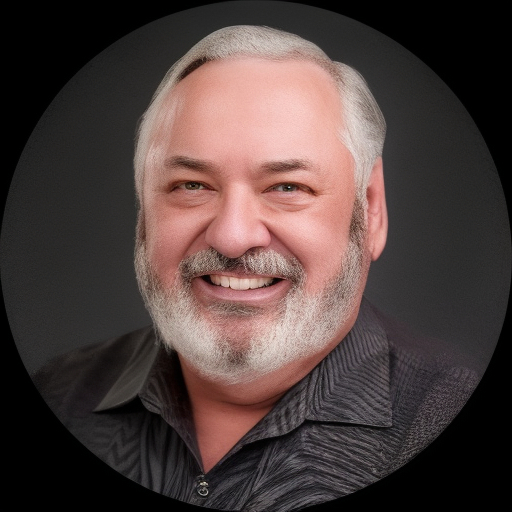
Albert Staley is a Washington LMHC with four years of clinical experience. He works with people who struggle with stress, anxiety, depression, anger, relationship problems, grief, and parenting concerns. He also addresses addictions and life changes when those issues affect day-to-day functioning.
Staley uses a problem-focused, conversational style. He started with Rational Emotive Behavioral Therapy and integrates practical methods from cognitive behavioral approaches. Sessions often include clear questioning and steps people can try between meetings. He also draws on person-centered and existential ideas when clients want to examine meaning and values.
When trauma or intense emotional pain appears, he includes emotion-focused work and trauma-informed methods to help people manage memories and reactions. He can work with issues around attachment, abandonment, codependency, and control problems. First responder issues and fatherhood concerns are also listed among his focus areas.
Staley identifies as a Christian apologist and an experienced non-denominational pastor and teacher. At a client’s request he will discuss spiritual or existential questions alongside clinical work, while honoring people of any faith or none. He aims to answer tough questions about meaning and purpose in ways that connect to mental health goals.
Sessions emphasize practical tools and clear discussion. People who want step-by-step strategies for anger, coping, communication, or relapse prevention will find direct methods and reflective conversation. To start, prospective clients are invited to complete the matching questionnaire and schedule a first session through the online pathway.
How his approaches translate to online work
Albert uses Client-Centered Therapy to focus on what matters to the individual, creating space for clients to set goals and priorities. That approach helps when someone wants to talk through relationship frustrations, parenting dilemmas, or anger that keeps coming up. Cognitive Behavioral Therapy (CBT) is used to identify patterns of thought and behavior that feed anger or anxiety, and to try clear, practical exercises that can reduce reactivity. Dialectical Behavior Therapy (DBT) adds specific skills for managing intense emotions and improving interpersonal effectiveness where communication breaks down.Choosing the right approach is part of the work. Albert will collaborate with each person to decide which methods fit their goals and preferences. That means adjusting focus over time between skills training, emotional processing, and discussion of values or meaning when requested.
The original biography does not specify online session formats, so confirm the available options before booking. Many people find online sessions help fit therapy into a busy week, allow for a shorter check-in when needed, or let them work without traveling. If a client wants to include spiritual or existential questions, those topics can be woven into the clinical approaches during online meetings as requested.
Areas of expertise
Primary focus
Also works with
Additional focus areas
Therapeutic approaches
Experience
4+ years
Credentials
Washington
Languages
English
Frequently asked questions
What kinds of concerns does he address?
He works with stress, anxiety, depression, anger, grief, relationship problems, addictions, parenting issues, and related life changes.
How would you describe his therapeutic style?
He uses a conversational, problem-focused approach that blends clear questioning with practical exercises to try between sessions.
What experience does he bring?
He has four years as an LMHC and decades of experience as a non-denominational pastor and teacher, which he sometimes integrates on request.
What are his credentials and location?
He is a Washington LMHC based in Washington state.
Which languages are supported and can international clients join?
Sessions are offered in English and international clients are not currently accepted.
What session formats are available?
The original biography does not list session formats; confirm the current session options before booking.
How does payment work and what does it cost?
Cost varies with location; sessions use a subscription that can be canceled at any time.
How do I begin if I want to work with him?
Select the See online therapy options button, complete a short matching questionnaire, and schedule a first session.
Online talk therapy is not emergency care, and no counselor can promise a particular result. If you might hurt yourself or someone else, call or text 988, or call 911. More urgent help