- ACT and CBT methods
- DBT skills work
- Motivational interviewing
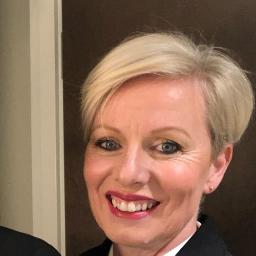
About Alison
Alison Siepker is an LCSW - Licensed Clinical Social Worker in North Carolina with 15 years of clinical experience. She helps people manage stress, anxiety, trauma and abuse, depression, and anger. She also supports people facing career strain, compassion fatigue, addictions, grief, sleep problems, and relationship concerns.
Alison uses practical talk and structured techniques in sessions. She draws on Acceptance and Commitment Therapy, Cognitive Behavioral Therapy, Dialectical Behavior Therapy, Motivational Interviewing, and client-centered work to help people notice patterns and try different responses. Sessions focus on simple skills, clearer communication, and small experiments to test what helps.
Her background includes work with people affected by abandonment, adoption and foster care issues, and first responder stress. She also addresses body image, family of origin concerns, infidelity, gender dysphoria, HIV/AIDS related issues, and feelings of isolation. This range informs how she frames problems and choices in session.
Alison aims for straightforward conversations that reduce shame and increase options. She pays attention to how anger shows up - at work, with people close to you, or as built-up resentment - and works with clients to find more manageable ways to respond. Practical steps and ongoing skill practice are central to her approach.
To begin, people complete a short matching questionnaire and schedule a first session. Costs vary by location and sessions use a subscription that can be canceled at any time.
Approaches used and what online sessions look like
Alison draws on Acceptance and Commitment Therapy and Cognitive Behavioral Therapy in her work. ACT helps people notice painful thoughts and choose actions that align with personal values. CBT focuses on the links between thoughts, feelings, and behaviors and teaches concrete skills to change unhelpful patterns.She treats finding the right approach as a collaborative process. The therapist and client review goals, try methods, and adjust the plan based on what helps. This means starting practical, checking progress, and shifting tactics when needed.
If you want to use online sessions, confirm the exact formats before booking since session options are not listed here. Online work can make it easier to fit appointments into a busy week, allow shorter check-ins when time is tight, and remove the need to travel to an office. Alison will discuss how to structure sessions so skills practice and real-life experiments fit into everyday routines.
Areas of expertise
Also works with
Additional focus areas
Therapeutic approaches
Experience
15+ years
Credentials
North Carolina
Languages
English
Frequently asked questions
What kinds of problems does she help with?
She works with stress, anxiety, trauma and abuse, depression, anger, grief, addictions, sleep problems, and relationship concerns.
What is her approach in sessions?
She uses Acceptance and Commitment Therapy, Cognitive Behavioral Therapy, Dialectical Behavior Therapy, Motivational Interviewing, and client-centered techniques to teach skills and try small experiments.
How much clinical experience does she have?
She has 15 years of professional experience working with a wide range of concerns including compassion fatigue and first responder issues.
What are her credentials and where is she based?
She is an LCSW - Licensed Clinical Social Worker licensed in North Carolina.
Does she work in languages other than English?
Sessions are offered in English.
Can people outside the United States work with her?
She is not currently accepting international clients.
How are sessions scheduled and what do they cost?
Costs vary with location; sessions use a subscription that can be canceled at any time.
How do I get started with her?
Select the See online therapy options button, complete a short matching questionnaire, and schedule a first session.
Online talk therapy is not emergency care, and no counselor can promise a particular result. If you might hurt yourself or someone else, call or text 988, or call 911. More urgent help