- ACT methods
- CBT tools
- Client-centered
About Amie
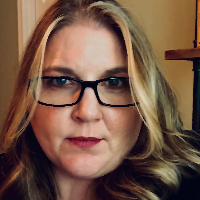
Amie Roberts is a Washington LMHC - Licensed Mental Health Counselor with nine years of clinical experience. She focuses on issues such as relationship conflict, substance use, trauma, and anger. She also works with LGBT concerns and people navigating kink and polyamory cultures. Sessions are offered in English and she accepts international clients.
Roberts draws on practical, down-to-earth conversation. She aims to help people find their own answers rather than impose a single way of thinking. Meetings often involve clear, straightforward feedback alongside listening. She encourages people to ask for help when they feel stuck, lost, or confused.
Her background includes a bachelor’s degree in Spanish literature and a master’s degree in counseling. Over nine years she has worked with a range of difficulties, including addictions, grief, body image, and intimacy-related issues. That variety informs how she notices patterns and practical steps a person can try.
In sessions she uses techniques drawn from Acceptance and Commitment Therapy, Cognitive Behavioral Therapy, and client-centered approaches. That means paying attention to values, noticing thought patterns, and focusing on what matters to the person. She also brings perspective from existential and Jungian ideas when useful.
People who come for help with anger often explore how frustration builds in daily life and what happens next. Roberts supports practical skills for handling triggers, improving communication, and reducing impulsive reactions. She works with issues connected to control, commitment, infidelity, and codependency as they relate to everyday relationships.
How her approaches are used in online sessions
Acceptance and Commitment Therapy helps people notice what they value and take small steps toward those values. It is often useful for anger, stress, and decision points where actions matter more than perfect thinking. Cognitive Behavioral Therapy looks at how thoughts, feelings, and behaviors interact and offers concrete tools to change unhelpful patterns. That can include practicing different responses to triggers and testing new ways of communicating.Finding the right mix of methods is part of the work. She will discuss options with each person and help choose approaches based on goals and preferences. The process is collaborative and can change as needs evolve.
Session formats are not listed in the biography, so confirm the current online options before booking. Online work can make it easier to fit sessions into a busy life, cut down travel time, and allow shorter check-ins when that suits a schedule. It can also let people try techniques and homework between meetings so progress continues outside sessions.
Areas of expertise
Primary focus
Also works with
Additional focus areas
Therapeutic approaches
Experience
9+ years
Credentials
Washington
Languages
English
Frequently asked questions
What kinds of problems does she help with?
She works with relationship conflict, substance use, trauma, anger, stress, anxiety, depression, grief, and related issues like body image and codependency.
How would you describe her therapeutic style?
Her style is direct and supportive. She aims to listen and offer straightforward feedback while helping people discover their own answers.
How much experience does she have?
She has nine years of experience working with a range of concerns including addictions, domestic violence, and intimacy-related issues.
What are her credentials and where is she based?
She is a Washington LMHC - Licensed Mental Health Counselor practicing from Washington state.
Which languages are supported?
Sessions are offered in English.
Does she work with international clients?
She accepts international clients.
What does therapy cost?
Cost varies with location and sessions use a subscription that can be canceled at any time.
How do I begin working with her?
Select the See online therapy options button, complete a short matching questionnaire, and schedule a first session.
Online talk therapy is not emergency care, and no counselor can promise a particular result. If you might hurt yourself or someone else, call or text 988, or call 911. More urgent help