- CBT techniques
- DBT skills
- EMDR for trauma
About Ammarritta
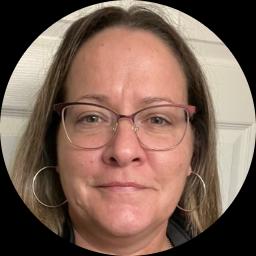
Ammarritta Simpson is a Licensed Clinical Social Worker (LCSW) practicing in New Jersey with six years of experience. She works with adults facing stress, anxiety, trauma and abuse, grief, low self-esteem, depression, addictions, LGBT issues, parenting concerns, anger, career changes, bipolar disorder, and ADHD. Sessions are in English and she does not accept international clients.
Her approach is direct and interactive. She uses Client-Centered Therapy to focus on the person’s experience and Cognitive Behavioral Therapy (CBT) to identify thinking patterns that feed anger and anxiety. Dialectical Behavior Therapy (DBT) skills are used to teach practical emotion regulation and distress tolerance techniques.
Ammarritta also draws on Eye Movement Desensitization and Reprocessing (EMDR) when trauma memories cause intense reactions. She may include elements of the Gottman Method when relationship patterns are part of the concern. Treatment plans are developed together, with clear steps and tools to practice between sessions.
In sessions she listens, reflects, and offers concrete strategies for handling outbursts, simmering resentment, and everyday triggers. Work often includes learning breathing and grounding techniques, spotting unhelpful thoughts, and rehearsing different responses to heated moments. The aim is better control over anger-driven behavior and clearer communication with others.
To begin, clients complete a short questionnaire and schedule a first session. Fees vary by location and sessions use a subscription that can be canceled at any time. Confirm current session options before booking.
How her approaches work for online sessions
Ammarritta commonly uses Cognitive Behavioral Therapy and Dialectical Behavior Therapy in her work. CBT helps people spot and change thought patterns that escalate anger or anxiety by breaking problems into concrete steps. DBT teaches emotion regulation, distress tolerance, and interpersonal skills that reduce impulsive reactions and improve conversations.She also uses Client-Centered Therapy to focus on the person’s experience and build a collaborative plan. That means she listens for what matters most, then combines skills training and reflection to match a client’s goals. Together they decide which methods to prioritize, and adjust the plan as progress is made.
Practical benefits of online sessions include fitting appointments into a busy week and keeping momentum between meetings. Online work can make it easier to schedule shorter check-ins, practice skills in real time, or maintain continuity when life is busy. Confirm the current session options before booking so you know what format will be used.
Areas of expertise
Also works with
Additional focus areas
Therapeutic approaches
Experience
6+ years
Credentials
Wyoming, North Dakota, New Jersey
Languages
English
Frequently asked questions
What concerns does she address related to anger?
She works with anger alongside stress, anxiety, trauma, grief, low self-esteem, addictions, and parenting or career concerns.
What is her therapy style like?
She uses a direct, interactive style that mixes listening with practical tools and exercises to manage emotions and reactions.
How much clinical experience does she have?
She has six years of experience as a therapist working with a wide range of issues including trauma and mood disorders.
What are her credentials and location?
She is a Licensed Clinical Social Worker (LCSW) licensed in New Jersey and practices there.
Which languages are sessions offered in?
Sessions are offered in English.
What session formats are available?
Confirm current session options before booking; the profile does not list specific formats and this should be checked when scheduling.
How are costs handled?
Fees vary with location and sessions use a subscription that can be canceled at any time.
How do I start working with her?
Select the See online therapy options button, complete a short matching questionnaire, and schedule a first session.
Online talk therapy is not emergency care, and no counselor can promise a particular result. If you might hurt yourself or someone else, call or text 988, or call 911. More urgent help