- Anxiety management
- Trauma processing
- Behavioral skills
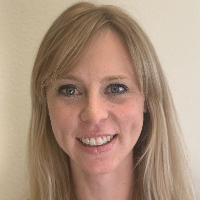
About Amy
Amy McKinney is a clinical psychologist (WY Psychologist 607) with ten years of experience. She works with adults struggling with stress, anxiety, trauma and grief, addictions, sleep problems, depression, anger, parenting concerns, and related mood and relationship issues. She practiced treating soldiers earlier in her career and has experience with first responder and veteran concerns.
She focuses on helping people change how they see themselves. That often means moving toward a more realistic, present-focused view. When that shift happens, many clients notice less rumination, improved confidence, and steadier mood.
Sessions are practical and conversational. Amy uses structured methods alongside space for people to talk through what matters to them. Therapy involves learning skills, trying them between sessions, and checking what does and doesn’t work.
Her toolbox includes approaches such as cognitive behavioral work for thinking patterns, acceptance and commitment ideas for values-based choices, dialectical behavior techniques for emotion regulation, and EMDR for trauma processing. She blends these according to what a person needs and tolerates.
She also supports people facing life changes like divorce, adoption and foster care questions, or career shifts. Getting started means answering a short matching questionnaire and scheduling a first session through the online options on the site. Fees vary by location and use a subscription you can cancel at any time.
Therapeutic approaches and how online sessions work
Acceptance and Commitment Therapy (ACT) helps people notice difficult thoughts and feelings without getting stuck in them, then choose actions that match their values. Cognitive Behavioral Therapy (CBT) focuses on identifying unhelpful thinking and testing healthier thoughts and behaviors to reduce distress. Eye Movement Desensitization and Reprocessing (EMDR) is used for processing traumatic memories and reducing their emotional intensity.Choosing the best approach is collaborative. Amy will talk with each person about goals, past efforts, and what feels approachable. Together they decide which methods to try first and adjust as needed based on progress and comfort.
The biography does not list specific session formats, so confirm the current online options before booking. Many people find remote sessions helpful because they can fit therapy into work breaks, avoid travel time, or choose a shorter check-in when needed. Online work also makes it easier to continue skill practice between meetings and to bring real-life situations into conversation without promising any particular format.
Areas of expertise
Primary focus
Also works with
Additional focus areas
Therapeutic approaches
Experience
10+ years
Credentials
Wyoming
Languages
English
Frequently asked questions
What kinds of issues does she address related to anger?
She works with anger alongside stress, relationship strain, trauma, and issues like resentment and frustration at work.
What is her style of therapy?
She combines structured techniques with conversation and skills practice, focusing on practical changes people can try between sessions.
How much experience does she have?
She has ten years of clinical experience and began her career treating soldiers and working with military-related concerns.
What credential and location does she hold?
She is listed as WY Psychologist 607 and practices in Wyoming.
Which languages are supported and can she see international clients?
Sessions are offered in English and she does not accept international clients.
What session formats are available?
Confirm current session options before booking, as the biography does not specify formats on file.
How do fees and payment work?
Costs vary with location and sessions use a subscription model that can be canceled at any time.
What do I need to do to start?
Select the See online therapy options button, complete a short matching questionnaire, and schedule a first session.
Online talk therapy is not emergency care, and no counselor can promise a particular result. If you might hurt yourself or someone else, call or text 988, or call 911. More urgent help