- ACT
- CBT
- Mindfulness
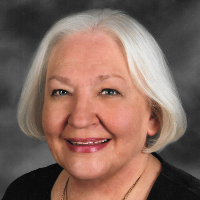
About Anita
Anita Tanner is an LMSW - Licensed Master Social Worker with 40 years of experience based in Michigan. She helps people who are dealing with stress, anxiety, grief, depression, relationship strain, and anger. Her work often focuses on middle-aged and older adults facing life transitions and loss.
She keeps sessions straightforward and practical. Conversations focus on what is happening now, how feelings affect daily life, and small steps people can try between meetings. She uses plain language and listens for what matters most to each person.
Anita draws on cognitive behavioral techniques to notice unhelpful thinking patterns and on Acceptance and Commitment Therapy to clarify personal values and workable action. She also uses client-centered methods to follow the client’s concerns and mindfulness practices to slow down intense emotions.
Over four decades she has supported people through caregiving stresses, chronic illness, bereavement, and midlife change. She includes attention to control issues, commitment worries, shame, and isolation when those themes appear in sessions. She also addresses intimacy-related problems and family conflict as they affect an individual’s wellbeing.
Sessions tend to be pragmatic and paced to fit someone’s life. Anita asks clear questions and offers concrete tools to try between sessions. People leave with steps they can use right away and with a plan to review what helps.
How her approaches translate to online work
Acceptance and Commitment Therapy (ACT) helps people notice what really matters to them and take small steps toward those values even when strong feelings are present. It is useful for anger that shows up around life changes, grief, or relationship strain. Cognitive Behavioral Therapy (CBT) focuses on identifying patterns of thought and behavior that keep problems going and practicing alternative responses. It works well for stress, anxiety, and recurring angry reactions. Client-Centered Therapy emphasizes listening and following the person’s priorities, making space for whatever issue someone brings to sessions.Choosing the right approach is a collaborative process. The therapist will check what is most distressing, try techniques, and adjust based on what the client reports and prefers. That means methods may shift over time as goals become clearer.
Confirm the exact online session formats before booking since the biography does not list specific options. Online work can make it easier to fit sessions into a busy week, allow shorter check-ins when schedules are tight, and reduce time spent traveling. It can also let someone do mindfulness or homework practices in their usual environment, and the therapist can suggest practical exercises to use between meetings.
Areas of expertise
Also works with
Additional focus areas
Therapeutic approaches
Experience
40+ years
Credentials
Michigan
Languages
English
Frequently asked questions
Which anger and related concerns does she address?
She works with anger alongside stress, anxiety, grief, depression, relationship and family concerns, and life transitions.
What is her general therapy style?
She uses a straightforward, practical style that focuses on current problems and small steps to try between sessions.
How much experience does she have?
She has 40 years of clinical experience working with adults, especially middle-aged and older people.
What credential does she hold and where is she based?
She is an LMSW - Licensed Master Social Worker and practices from Michigan.
Can sessions be done in other languages or internationally?
Sessions are offered in English and she does accept international clients.
What session formats are available?
Confirm current session options before booking since formats were not specified in the biography.
How are fees handled?
Cost varies with location and sessions use a subscription that can be canceled at any time.
How do I begin a first session?
Select the See online therapy options button, complete a short matching questionnaire, and schedule your first session.
Online talk therapy is not emergency care, and no counselor can promise a particular result. If you might hurt yourself or someone else, call or text 988, or call 911. More urgent help