- CBT methods
- Solution-focused work
- Client-centered listening
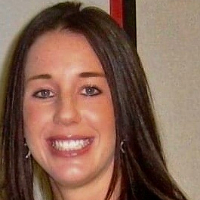
About Ashley
Dr. Ashley Sutton is a Licensed Professional Counselor (LPC) in Texas with eight years of clinical experience. She works with adults facing stress, anxiety, anger, mood concerns, relationship and family issues, trauma, grief, and problems with self-esteem. She also addresses codependency, communication problems, domestic violence issues, first responder concerns, and obsessive or panic symptoms.
Her practice focuses on helping people notice links between thoughts, feelings, and behavior. Sessions are practical and interactive. She uses straightforward techniques to help reduce painful reactions and build clearer ways of responding to hard situations.
Ashley leans on Cognitive Behavioral Therapy to map thought patterns that keep problems going. She also uses Solution-Focused methods to set short-term goals and try small, achievable changes. Client-Centered ideas guide the way she listens and responds in sessions.
She brings experience from correctional settings, residential treatment centers, and independent practice. That background informs a direct, pragmatic style that aims to be useful from the first visit. Clients can expect a focus on skills they can use between sessions.
Dr. Sutton works with people navigating life changes and complex emotional problems such as bipolar symptoms, post-traumatic stress, obsessions and compulsions, and forgiveness work. Her practice emphasizes collaboration and finding practical steps forward. To begin, she asks about immediate concerns and what goals the person wants to try for.
How therapeutic approaches translate to online sessions
Client-Centered Therapy focuses on listening and reflecting so the person feels heard and can clarify what matters most. Online sessions using this approach emphasize open conversation and steady attention to the client’s priorities.Cognitive Behavioral Therapy (CBT) looks at how thoughts influence feelings and actions. In sessions she helps identify unhelpful thinking, try small behavior experiments, and practice skills for reacting differently to anger and anxiety.
Dialectical Behavior Therapy (DBT) offers concrete skills for managing intense emotions and improving interpersonal effectiveness. When anger spikes, DBT tools can teach pacing, distress tolerance, and clearer communication.
Choosing an approach is a collaborative process. The therapist will work with the person to decide which methods fit their needs and goals. That may mean trying one method for a few sessions and adjusting as progress is reviewed.
Confirm the therapist's supported session formats before booking since the biography does not list them. Online therapy can make it easier to fit sessions around work, reduce travel time, and allow shorter check-ins when schedules are tight. It also lets people use strategies learned in therapy in the moments they face stress, making practice more practical and immediate.
Areas of expertise
Primary focus
Also works with
Additional focus areas
Therapeutic approaches
Experience
8+ years
Credentials
Texas
Languages
English
Frequently asked questions
What kinds of anger-related problems does she help with?
She works with adults dealing with frequent anger, resentment, frustration at work, and living with others' angry behaviors.
What is her general approach in sessions?
She uses practical therapies such as Cognitive Behavioral Therapy and Solution-Focused strategies and listens in a client-centered way to set usable goals.
How much clinical experience does she have?
She has eight years of professional experience across correctional facilities, residential treatment centers, and independent practice.
Where is she licensed and based?
She is a Licensed Professional Counselor (LPC) practicing in the state of Texas.
Does she offer sessions in other languages or to international clients?
Sessions are offered in English and she is not accepting international clients.
What session formats are available?
Please confirm current session options before booking since the original biography does not specify formats.
How are fees handled?
Costs vary with location and sessions use a subscription that can be canceled at any time.
How do I start a first session?
Use the See online therapy options button, complete the short matching questionnaire, and schedule the first session through the system.
Online talk therapy is not emergency care, and no counselor can promise a particular result. If you might hurt yourself or someone else, call or text 988, or call 911. More urgent help