- CBT strategies
- DBT skills
- Mindfulness practice
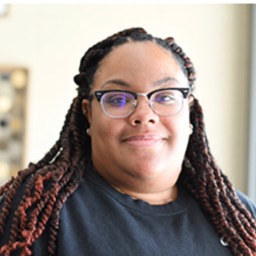
About Avery
Avery Alexander is a Licensed Clinical Social Worker (LCSW) in Utah with five years of clinical experience. She works with adults facing stress, anxiety, anger, depression, and substance use, and with people dealing with life transitions and relationship struggles. Avery brings practical focus to conversations about everyday problems and emotional reactions.
Avery trained in social work after earning a Bachelor of Science in Human Services with a counseling focus and a Master of Social Work. Early volunteer and outreach work in community centers shaped how she approaches clinical work. That background informs her attention to cultural context and community factors.
In sessions she keeps the work straightforward. She listens to what matters most, checks practical goals, and suggests skills to try between meetings. Clients can expect conversations about coping tools, habit changes, and clearer ways to communicate when emotions run high.
Her clinical style draws on client-centered methods alongside cognitive behavioral techniques, dialectical behavior strategies, and narrative ideas. She uses mindfulness and motivational interviewing to help people notice patterns and build motivation for change.
Avery also addresses issues such as attachment and abandonment, body image and codependency, grief and trauma, ADHD and mood disorders, and smoking or vaping cessation. She invites questions about other concerns and asks people to share what they want to work on at the first meeting.
How her approaches translate to online sessions
Avery commonly uses client-centered methods and cognitive behavioral therapy. Client-centered work focuses on listening and building a working relationship so the client can set priorities. CBT looks at thoughts, feelings, and actions and teaches step-by-step skills for changing unhelpful patterns, which is useful for anger, anxiety, and mood problems.She also draws on dialectical behavior therapy skills for emotion regulation and distress tolerance. DBT skills teach concrete ways to manage intense feelings, improve interpersonal communication, and ride out difficult moments without making things worse.
Finding the right mix of approaches is part of the work. Avery collaborates with each person to pick methods that match their goals and preferences, and she adjusts the plan as progress is made. Clients discuss what problems they want to solve and decide together which tools to try first.
Confirm the available session formats before booking since the biography does not list specific options. Online work can make it easier to fit sessions into a busy week, allow shorter check-ins when needed, and remove travel time so meetings fit around work or family commitments. Talk with her when you schedule to choose a format that fits your routine and technical setup.
Areas of expertise
Primary focus
Also works with
Additional focus areas
Therapeutic approaches
Experience
5+ years
Credentials
Utah
Languages
English
Frequently asked questions
What kinds of problems does she help with?
She works with stress, anxiety, anger, depression, substance use, mood and attention concerns, and related issues like grief, trauma, and body image.
How would you describe her therapy style?
Her style is straightforward and practical. She listens, sets clear goals, and teaches skills to try between sessions.
What is her professional background?
She has five years of clinical experience and a background in community outreach and mentoring that informs her work with diverse populations.
What credential does she hold and where does she practice?
She is an LCSW (Licensed Clinical Social Worker) licensed in Utah and sees clients based in that state.
Which languages are supported in sessions?
Sessions are offered in English.
Can people outside the US work with her?
She does not accept international clients at this time.
How are sessions arranged and what does it cost?
Cost varies by location and sessions use a subscription model that can be canceled at any time.
How do I begin working with her?
Use the See online therapy options button, complete a brief matching questionnaire, and then schedule a first session.
Online talk therapy is not emergency care, and no counselor can promise a particular result. If you might hurt yourself or someone else, call or text 988, or call 911. More urgent help