- Anger management skills
- Attachment based work
- CBT and DBT techniques
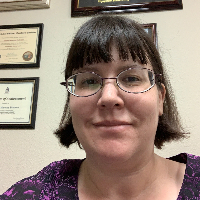
About Bethany
Bethany Maroney-Peterson is an LMFT - Licensed Marriage and Family Therapist in California with 16 years of clinical experience. She works with adults on issues such as anger, trauma and abuse, anxiety, depression, relationship strain, and parenting concerns. Her practice also addresses stress, compassion fatigue, grief, and life transitions.
She uses practical talking and skill-building in sessions. Bethany draws on cognitive behavioral techniques to notice and change unhelpful thinking patterns. She uses dialectical behavior approaches to teach emotional regulation and distress tolerance skills that can help when anger flares or stress feels overwhelming.
Attachment-based work is part of her toolkit when relationship patterns and childhood wounds affect current life. Solution-focused methods help set short-term goals and create steps that feel doable between sessions. This mix aims to combine problem solving with skills practice.
Her background includes a masters degree in psychology and a bachelors degree in social work, plus work with trauma, PTSD, anxiety disorders, and depression. She has experience supporting people connected to military life through combat mental health work and interactions with veterans and their families.
In sessions Bethany works collaboratively and practically. She helps people identify patterns, try small experiments, and build specific skills to reduce explosive moments, manage resentment, or cope when someone elses anger affects their life. People leave with tools to use between appointments, not only with things to talk about in the room.
Therapeutic approaches and working online
Attachment-based work looks at how early relationships shape present patterns. It helps when trust, closeness, or repeated conflict affect how someone responds in relationships. Cognitive behavioral therapy, or CBT, focuses on spotting thought patterns that fuel anger and testing new, more helpful ways of thinking and acting. Dialectical behavior therapy, or DBT, offers concrete tools for regulating intense emotions and tolerating distress without acting on impulse.Choosing an approach is a collaborative process. The therapist will talk with the client about their goals, needs, and what has or hasnt worked before. Together they decide which methods to try and can adjust the plan as progress is made.
Confirm current session options before booking since formats are not listed here. Online work can make it easier to fit appointments into a busy life, allow shorter check-ins when needed, and reduce travel time. It can also let someone focus on skills practice in everyday settings and use tools that translate directly into daily routines. Ask about the available session formats when you schedule so you know how sessions will be arranged.
Areas of expertise
Primary focus
Also works with
Additional focus areas
Therapeutic approaches
Experience
16+ years
Credentials
California
Languages
English
Frequently asked questions
What kinds of anger issues does she address?
She works with adults on losing temper with close people, workplace frustration, growing resentment, and coping with another person's anger.
What is her general approach in sessions?
She uses practical, skills-focused work combining cognitive behavioral methods, dialectical behavior strategies, and attachment-based conversations.
How much experience does she have?
She has 16 years of clinical experience as a licensed marriage and family therapist.
Where is she licensed and based?
She is an LMFT licensed in California and practices from that state.
Which languages are supported in sessions?
Sessions are offered in English.
Can people outside the US work with her?
International clients are not currently accepted.
How are sessions scheduled and what about cost?
Cost varies with location and sessions use a subscription model that can be canceled at any time.
How do I begin if I want to meet with her?
Select the See online therapy options button, complete a short matching questionnaire, and then schedule a first session.
Online talk therapy is not emergency care, and no counselor can promise a particular result. If you might hurt yourself or someone else, call or text 988, or call 911. More urgent help