- CBT techniques
- DBT skills
- Motivational interviewing
About Bethany
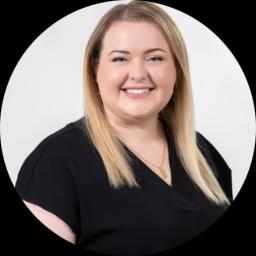
Bethany Walton is a Licensed Clinical Social Worker (LCSW) practicing in New York with four years of experience. She helps people coping with anxiety, depression, chronic illness, pain, and related stresses. Bethany lists anger among the concerns she supports and also works with grief, relationship strain, parenting stress, and career pressure.
Bethany focuses on straight talk and practical steps. Sessions typically include skills practice, problem-solving, and time to name what feels most urgent. She uses methods drawn from client-centered work, cognitive behavioral techniques, and elements of dialectical behavior therapy to help manage difficult emotions and reactions.
Her approach emphasizes learning tools that can be used in everyday life. That can look like breaking a stressful situation into smaller parts, testing one new coping move, or rehearsing a different way to speak up. She also uses motivational interviewing strategies when people want to change habits related to substance use or other behaviors.
Bethany often supports people facing health-related challenges, such as cancer, caregiving strain, or long-term illness. She also addresses issues like low self-esteem, sleep problems, attention differences, and codependency. The focus stays on what the person wants to change and on practical steps toward those goals.
People who choose Bethany should expect a direct, collaborative style. She helps identify which techniques fit best and checks in on progress. Sessions aim to reduce distress and increase usable skills rather than promising quick fixes.
How Bethany uses evidence-based approaches online
Client-centered therapy focuses on listening and following the person's lead. It helps clarify what matters most and builds momentum for change. Cognitive behavioral therapy, or CBT, breaks problems into thoughts, feelings, and actions and offers small experiments to change them. CBT is useful for anger that shows up as harsh self-talk or repeated conflict. Dialectical behavior therapy, or DBT, teaches practical skills for distress tolerance, emotion regulation, and steadier communication. DBT tools are often helpful when frustration escalates quickly and someone wants clearer ways to respond.Finding the right approach is part of the work. Bethany collaborates with each person to choose which methods to try first and checks progress as skills are practiced. The process is guided by the client's goals, preferences, and how they respond to different techniques.
Confirm the available session formats before booking, since this biography does not list specific formats. Online sessions can make it easier to fit therapy into a busy week, allow shorter check-ins when needed, reduce travel time, and let people use different communication styles such as talking through a problem or practicing a skill in real time. Licensed professionals can tailor pacing and homework so skills transfer into daily life.
Areas of expertise
Also works with
Additional focus areas
Therapeutic approaches
Experience
4+ years
Credentials
New York
Languages
English
Frequently asked questions
What kinds of concerns does she address?
She supports people with anxiety, depression, anger, grief, chronic illness, and related stresses including caregiving and pain.
What is her general approach in sessions?
She uses a practical, skills-based style that mixes client-centered listening with cognitive behavioral and dialectical tools.
How much clinical experience does she have?
She has four years of experience as a Licensed Clinical Social Worker practicing in New York.
Where is she based and what credential does she hold?
Her credential is LCSW and she is licensed in New York.
Which languages are supported?
Sessions are offered in English.
Does she work with international clients?
She does not accept international clients at this time.
How are session costs handled?
Cost varies with location and sessions use a subscription that can be canceled at any time.
What are the first steps to start working together?
Select the See online therapy options button, complete a short matching questionnaire, and schedule a first session.
Online talk therapy is not emergency care, and no counselor can promise a particular result. If you might hurt yourself or someone else, call or text 988, or call 911. More urgent help