- CBT techniques
- Client-centered work
- Psychodynamic insight
About Carol
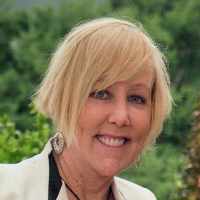
Dr. Carol Schmidt is a Licensed Clinical Social Worker (LCSW) in California with ten years of clinical experience. She works with people who are feeling stressed, overwhelmed, or stuck, including those dealing with anxiety, depression, grief, anger, and major life changes. She speaks English and supports adults navigating relationship and parenting concerns as part of broader stress and mood issues.
Her approach mixes practical problem-solving with attention to how past patterns affect current feelings. She uses Client-Centered techniques to prioritize what matters to the client and Cognitive Behavioral Therapy to map out unhelpful thoughts and behaviors. Psychodynamic ideas are used to notice recurring themes that show up in relationships and reactions.
In sessions she helps people identify triggers, try small experiments, and practice different ways of responding when anger or frustration rises. She also works on coping strategies for anxiety, grief processing, and managing mood changes. Conversations are straightforward and focused on real-life changes rather than technical language.
Dr. Schmidt has concentrated experience with issues often linked to anger and impulsivity, including ADHD, codependency, and family conflict. She also supports people dealing with isolation, career stress, and questions about life purpose. Over her ten years she has blended approaches to match what clients find most useful.
People who come to her can expect clear goals, practical steps between sessions, and ongoing review of progress. To start, she asks people to identify immediate concerns and the small changes they want to test first.
How Dr. Schmidt uses therapeutic approaches online
Client-Centered Therapy focuses on listening and following the client's priorities. The therapist helps people name what matters most and set goals based on those priorities. Cognitive Behavioral Therapy (CBT) breaks down how thoughts, feelings, and actions connect and offers concrete exercises to change unhelpful patterns, which can help with anger, anxiety, and mood changes.Finding the right approach is part of the process. The therapist works collaboratively to decide whether more CBT work, client-centered support, or psychodynamic reflection fits the person's needs and goals. That decision is revisited as progress is made and as new issues come up.
The biography does not list specific session formats, so confirm the current online options before booking. Online sessions can make it easier to fit therapy into a workday, require less travel, or allow shorter check-ins when time is tight. They also let people try exercises and homework between sessions in their usual environments, which can speed up learning new ways to respond to anger and stress.
Areas of expertise
Primary focus
Also works with
Additional focus areas
Therapeutic approaches
Experience
10+ years
Credentials
California
Languages
English
Frequently asked questions
What kinds of anger-related issues does she help with?
She supports adults managing temper, resentment, impulsivity, and anger linked to relationship or family conflict.
What is her therapeutic style like?
Her style combines client-centered listening with practical CBT exercises and periodic psychodynamic reflection.
How much clinical experience does she have?
She has ten years of experience working with anxiety, depression, grief, and related concerns.
What are her credentials and where is she based?
She is a Licensed Clinical Social Worker (LCSW) practicing in California.
Does she offer sessions in other languages or to international clients?
Sessions are offered in English and she is not accepting international clients at this time.
Which session formats are available?
The original biography does not specify session formats; confirm current session options before booking.
How does cost and payment work?
Cost varies with location and sessions use a subscription that can be canceled at any time.
What is the first step to begin working together?
Select the See online therapy options button, complete the short matching questionnaire, and schedule a first session.
Online talk therapy is not emergency care, and no counselor can promise a particular result. If you might hurt yourself or someone else, call or text 988, or call 911. More urgent help