- Client-centered approach
- Cognitive-behavioral techniques
- Motivational interviewing
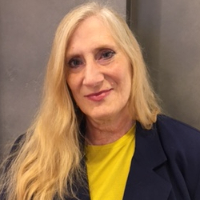
About Catherine
Catherine Kluge is a Licensed Professional Counselor (LPC) in Missouri with 25 years of experience. She helps people facing stress, anxiety, depression, substance use, anger, relationship strain, grief, and life changes. She also supports people navigating ADHD, bipolar depression, parenting challenges, and workplace concerns.
She earned a master’s in counseling from Webster University and has practiced across settings. That includes time in a personal hospital, a community mental health center, and a substance use treatment program. Those roles shaped how she approaches practical problems and decision points.
Catherine favors clear, person-focused work. She begins by listening to a person’s story and the strengths that brought them this far. From there she helps set goals and looks at straightforward ways to improve daily functioning and reduce repeated conflicts or outbursts.
Her methods include client-centered work, cognitive-behavioral techniques, motivational interviewing, mindfulness, and narrative approaches. Sessions can include skills practice, thought tracking, motivation building, and examining the narratives that reinforce patterns of anger or avoidance.
Catherine aims to collaborate so people feel they direct the work. She pays attention to what has helped someone in the past, and then introduces new strategies that fit their life. Her style is practical and focused on moving toward better day-to-day coping.
People come to address a mix of issues such as co-occurring substance concerns, communication problems, codependency, panic symptoms, postpartum depression, disruptive mood concerns, and workplace stress. She works in English and practices in Missouri.
How Catherine’s approaches translate to online work
Client-centered therapy focuses on listening and reflecting. In an online session this means time spent understanding what matters to the person and using that information to set practical goals. Cognitive-behavioral therapy (CBT) looks at thoughts and behaviors that keep problems going. Online CBT sessions typically include tracking thoughts, practicing new responses, and reviewing homework between meetings.Finding the right approach is part of the work. Catherine looks at a person’s needs, goals, and preferences and then collaborates to choose techniques that fit. That may mean emphasizing skills practice, motivation-building, or changing the stories someone tells about themselves and their anger.
Confirm the available session formats before booking since formats were not specified in the biography. Online work can make it easier to fit therapy into a busy week, allow shorter check-ins when needed, and reduce travel time. It can also let someone use therapy while juggling work, school, or childcare without promising a specific format or outcome.
Areas of expertise
Primary focus
Also works with
Additional focus areas
Therapeutic approaches
Experience
25+ years
Credentials
Missouri
Languages
English
Frequently asked questions
What kinds of problems does she address?
Catherine works with stress, anxiety, depression, substance use, anger, relationship and parenting concerns, plus related issues such as grief, bipolar depression, ADHD, and workplace problems.
What is her general therapeutic style?
She uses a client-centered style that focuses on listening to a person’s story first, then combining practical skills and reflective work to change patterns that cause anger or conflict.
How long has she been practicing?
She has 25 years of professional experience, including work in a personal hospital, a community mental health center, and a substance use treatment setting.
What are her credentials and where is she located?
She is a Licensed Professional Counselor (LPC) licensed in Missouri and holds a master’s degree in counseling from Webster University.
Which languages are supported?
Sessions are offered in English only.
Does she work with international clients?
She is not currently accepting international clients and practices in Missouri.
How much do sessions cost?
Cost varies with location; sessions use a subscription model that can be canceled at any time.
How do I start a session?
Begin by selecting the See online therapy options button, complete a short matching questionnaire, and schedule a first session.
Online talk therapy is not emergency care, and no counselor can promise a particular result. If you might hurt yourself or someone else, call or text 988, or call 911. More urgent help