- Emotion regulation skills
- Mindfulness practices
- CBT and ACT tools
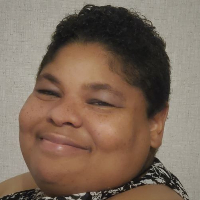
About Charity
Charity Sophus is a Licensed Clinical Social Worker, LCSW, practicing in Texas with three years of experience. She works with people who are dealing with stress, anxiety, anger, depression, addictions, trauma and abuse, grief, parenting strain, low self-esteem, bipolar disorder, and ADHD.
She focuses on practical skills for managing emotions and daily pressures. Sessions are straightforward. Conversations often center on spotting patterns, trying new responses, and building habits that reduce tension over time.
Her approach draws from several evidence-informed methods, including Acceptance and Commitment Therapy, Cognitive Behavioral Therapy, Dialectical Behavior Therapy, Client-Centered Therapy, and Mindfulness Therapy. That means sessions can include values clarification, looking at thoughts and behavior links, learning emotion regulation skills, and practicing present-moment awareness.
Charity has worked with people facing chronic health issues, caregivers, and those with neurodevelopmental differences. She uses that background to adapt pacing and language so tools are practical and doable in everyday life.
People who meet with her can expect goal-focused conversations paired with skill practice and real-world plans. She encourages short experiments between sessions and checks progress together. This keeps therapy focused on changing how someone reacts to stress and anger in daily situations.
Therapeutic approaches used in online sessions
Acceptance and Commitment Therapy, or ACT, focuses on clarifying what matters to a person and taking small steps toward those values while learning to live with uncomfortable feelings. It can help when anger is tied to meaning, identity, or ongoing life stressors.Cognitive Behavioral Therapy, CBT, looks at how thoughts and behaviors keep emotional reactions going. It teaches simple experiments and behavioral changes to reduce reactivity and repetitive negative thinking.
Dialectical Behavior Therapy, DBT, offers practical emotion regulation and distress tolerance skills that help when strong feelings like anger flare up. It emphasizes short, actionable techniques to manage intense moments.
Finding the right mix of approaches is part of the work. The therapist will discuss goals, preferences, and what has or hasn’t helped before, then agree on a plan together. That collaborative process makes it easier to try tools that fit daily life.
Confirm current session formats before booking so you know how sessions will be delivered. When sessions are offered online, the practical benefits often include fitting appointments into a busy schedule, having shorter check-ins when needed, and avoiding travel time. These options can make it simpler to practice new skills in regular routines.
Areas of expertise
Primary focus
Also works with
Additional focus areas
Therapeutic approaches
Experience
3+ years
Credentials
Texas
Languages
English
Frequently asked questions
What kinds of anger or frustration does she help with?
Charity works with people who struggle with losing their temper, building resentment, or feeling constant irritation at work or home. Anger is listed among her supported concerns.
How would you describe her therapeutic style?
She uses practical, skills-based work drawn from CBT, DBT, ACT, client-centered therapy, and mindfulness. Sessions emphasize learning and practicing tools to change reactions and cope better with stress.
How long has she been practicing?
She has three years of clinical experience working as a Licensed Clinical Social Worker in Texas.
What credential and location does she hold?
She is an LCSW licensed in Texas and practices from that state.
Can I work with her if I live outside the US?
Sessions are offered in English and she is not currently accepting international clients.
Which session formats are available?
Confirm current session options before booking to know which formats are offered for sessions with her.
How are fees handled?
Cost varies with location and sessions are billed through a subscription model that can be canceled at any time.
What are the first steps to begin working together?
Use the See online therapy options button, complete a short matching questionnaire, and schedule an initial session to get started.
Online talk therapy is not emergency care, and no counselor can promise a particular result. If you might hurt yourself or someone else, call or text 988, or call 911. More urgent help