- CBT techniques
- DBT skills
- Motivational interviewing
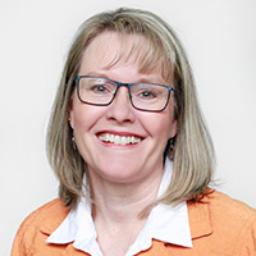
About Cherri
Cherri McCord is a Licensed Professional Counselor, LPC, licensed in Missouri and a Licensed Professional Counselor-Mental Health Service Provider, LPC-MHSP, licensed in Tennessee. She has 14 years of clinical experience helping people manage stress, anxiety, depression, addictions, anger, relationship and parenting concerns, and other life transitions.
She uses straightforward conversation and practical techniques in sessions. Cherri listens to what a person is facing and helps them identify small, workable steps. She draws on cognitive behavioral tools to challenge unhelpful thoughts and on client-centered listening to keep sessions grounded in the person’s priorities.
Her work also uses skills from dialectical behavior therapy and mindfulness to help with emotional regulation and staying present during strong feelings. Motivational interviewing is part of how she supports changes in substance use or other behaviors that are stuck. These are used together to match the situation the person brings.
Cherri has experience across a range of concerns including bipolar disorder, career stress, self-esteem problems, and infertility-related distress. She also supports people dealing with adoption and foster care issues, caregiver stress, communication breakdowns, and problems that come with separation or infidelity.
Sessions are offered in English and reflect her years working with complex, overlapping issues. To begin, people complete a short questionnaire and schedule a first session so she can understand goals and priorities.
How her approaches translate to online work
Client-centered therapy focuses on listening and reflecting what matters to the person. In practice this means sessions are guided by the person’s priorities and the therapist follows the topics they bring. Cognitive behavioral therapy, or CBT, breaks problems into thoughts, feelings, and actions and teaches practical exercises to change patterns that cause anger or anxiety. Dialectical behavior therapy, or DBT, teaches concrete skills for managing intense emotions and improving communication.Finding the right mix of these methods is part of the early work. The therapist will collaborate with the client to decide which approaches fit their goals and daily life. That plan can change as progress is made or new issues arise.
The biography did not specify which online session formats are used, so confirm the current options before booking. Online sessions can make it easier to schedule time around work or childcare, reduce travel, and allow shorter check-ins when needed. They also let people practice skills in the settings where problems occur, which many find useful.
Areas of expertise
Also works with
Additional focus areas
Therapeutic approaches
Experience
14+ years
Credentials
Missouri, Tennessee
Languages
English
Frequently asked questions
What kinds of concerns does she work with?
She helps people with stress, anxiety, depression, addictions, anger, relationship and parenting concerns, bipolar disorder, and related life changes.
What is her therapy style like?
She uses a mix of client-centered conversation and practical skills. Sessions focus on identifying steps and strategies that fit the person’s daily life.
How much clinical experience does she have?
She has 14 years of professional experience working with a range of mental health and behavioral concerns.
What are her credentials and where is she based?
She holds the LPC credential and the LPC-MHSP credential and is licensed in Missouri and Tennessee. Her practice is based in Tennessee.
Which languages are supported for sessions?
Sessions are offered in English.
Can people outside the US work with her?
International clients are not currently accepted.
What session formats are offered?
The original biography does not list specific session formats. Please confirm the current session options before booking.
How are costs and getting started handled?
Cost varies by location and sessions use a subscription that can be canceled at any time. To begin, select the See online therapy options button, complete a short matching questionnaire, and schedule a first session.
Online talk therapy is not emergency care, and no counselor can promise a particular result. If you might hurt yourself or someone else, call or text 988, or call 911. More urgent help