- CBT techniques
- Client-centered work
- Mindfulness skills
About Christopher
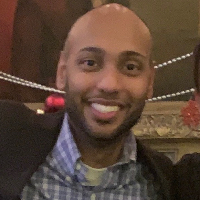
Christopher Jainandan is an LMHC (Licensed Mental Health Counselor) based in Florida with ten years of clinical experience. He works with adults facing stress, anxiety, addiction, depression, anger, grief, trauma and relationship strains. He also supports people dealing with sleep and eating concerns, ADHD, mood disorders, and career-related stress.
Chris encourages people to speak openly about what is bothering them. He focuses on practical steps and clear options rather than jargon. Sessions are presented in straightforward language so people can try small changes that make daily life easier.
He trained with a Bachelor of Arts in Psychology from Rollins College and a Master of Science in Clinical Mental Health Counseling from Capella University. He practiced in several mental health and substance abuse settings before becoming a Florida LMHC. That background shapes a pragmatic style that blends counseling and coaching elements.
His work draws on client-centered methods, cognitive behavioral techniques, dialectical behavior ideas, mindfulness practices, and motivational interviewing. Those approaches are used to address patterns of thinking, emotional reactivity, and behavior that feed anger, anxiety, and substance use.
People can expect direct conversation about what’s getting in the way, concrete skills to try between sessions, and a goal-oriented plan. He accepts international clients and holds sessions in English. To begin, people complete a short matching questionnaire and schedule an initial appointment.
How his therapeutic approaches translate to online work
Client-centered therapy focuses on listening and reflecting. It helps people clarify what matters to them and feel heard while exploring changes. Cognitive Behavioral Therapy (CBT) looks at thinking patterns and teaches concrete skills to reduce reactivity and improve coping for anger, anxiety, and mood problems. Dialectical Behavior Therapy (DBT) ideas add skills for managing strong emotions and handling conflict without escalating.Choosing the right approach is a collaborative process. The therapist will talk with the client about goals, try methods that fit those goals, and adjust as needed. Expect a plan that connects brief skill practice with regular sessions so progress can be tracked together.
Session formats are not detailed in the biography, so confirm available options before booking. Online work can make it easier to fit sessions into a busy week, allow shorter check-ins when needed, and reduce travel time. It also lets people use mindfulness and CBT exercises at home between meetings, which often helps transfer new skills into everyday routines.
Areas of expertise
Primary focus
Also works with
Additional focus areas
Therapeutic approaches
Experience
10+ years
Credentials
Florida
Languages
English
Frequently asked questions
What kinds of problems does he help with?
He helps with stress, anxiety, addictions, depression, anger, trauma, relationship and family concerns, sleep and eating issues, ADHD, and related mood difficulties.
What is his general approach in sessions?
He uses client-centered conversation plus evidence-based tools like CBT, DBT ideas, mindfulness, and motivational interviewing to work on thoughts, feelings, and behaviors.
How much clinical experience does he have?
He has ten years of experience in mental health and substance abuse settings prior to and following licensure.
What are his credentials and where is he based?
He is an LMHC licensed in Florida and practices from that state.
Which languages are sessions offered in?
Sessions are offered in English and he accepts international clients.
What session formats are available?
Confirm current session options before booking as formats are not specified in the biography.
How does payment work and what does it cost?
Cost varies with location and sessions use a subscription that can be canceled at any time.
How do I get started with him?
Start by selecting the See online therapy options button, complete a short matching questionnaire, and schedule a first session.
Online talk therapy is not emergency care, and no counselor can promise a particular result. If you might hurt yourself or someone else, call or text 988, or call 911. More urgent help