- Relationship concerns
- Anger and emotion skills
- CBT and DBT methods
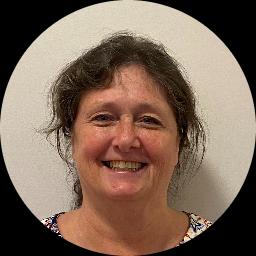
About Christine
Christine Broadwater is a Licensed Clinical Mental Health Counselor (LCMHC) in North Carolina with 33 years of professional experience. She works with adults on relationship concerns, parenting struggles, trauma, self-esteem, motivation, and stress. Christine also supports people dealing with anxiety, grief, mood disorders, and anger.
She frames clients as the experts on their own stories and looks for strengths to build on. Sessions focus on practical steps and clear goals rather than abstract theories. Christine describes herself as someone who will listen and collaborate as clients sort through what matters most to them.
Her background includes long-term work with family issues, adoption and foster care concerns, and challenges that come with caregiving and life transitions. She has also worked with people facing bipolar disorder, depression, ADHD, and postpartum depression. That breadth informs her approach to common problems like resentment, repeated arguments, and trouble managing strong feelings.
In session she combines client-centered conversations with techniques drawn from cognitive behavioral therapy, dialectical behavior therapy, mindfulness, and motivational interviewing. This mix is used to help people notice patterns, practice different responses, and try new habits between meetings.
Christine aims for steady, manageable change. She guides clients to set small goals, test new skills, and reflect on what helps. The work tends to be straightforward and action-oriented, while still allowing time to process painful events.
Therapeutic approaches and online care
Christine combines client-centered therapy with cognitive behavioral therapy and dialectical behavior therapy to help people manage strong emotions. Client-centered therapy focuses on listening and building on the person's own strengths to clarify goals. Cognitive behavioral therapy looks at how thoughts and behaviors keep problems going and teaches specific skills to change those patterns. Dialectical behavior therapy offers concrete tools for regulating emotion and improving interpersonal effectiveness, which can be useful for repeated anger or relationship conflict.Finding the right approach is part of the work. Christine will collaborate with each person to choose methods that fit their needs, goals, and preferences. That means trying techniques, checking how they feel, and adjusting the plan as progress and obstacles become clear.
Session format details are not listed in the biography, so confirm current options before booking. Online sessions can make it easier to fit therapy into a busy day, allow for shorter check-ins when needed, and remove the need to travel. Licensed professionals can also use online work to assign practice between visits and to review real-life situations that come up between sessions.
Areas of expertise
Primary focus
Also works with
Additional focus areas
Therapeutic approaches
Experience
33+ years
Credentials
North Carolina
Languages
English
Frequently asked questions
What kinds of problems does she help with?
She works with relationship issues, parenting, trauma and abuse, self-esteem, stress, anxiety, grief, mood disorders, and anger among other concerns.
What is her style in sessions?
She uses a collaborative, practical style that centers the client's perspective and focuses on using strengths to address challenges.
How long has she been practicing?
She has 33 years of professional experience working in mental health settings.
What credential does she hold and where is she based?
She is an LCMHC licensed in North Carolina and practices there.
Which languages are supported for sessions?
Sessions are offered in English.
Can people outside the US work with her?
She does not accept international clients at this time.
How are sessions scheduled and what about cost?
Cost varies with location and sessions use a subscription that can be canceled at any time.
How do I begin working with her?
Select the See online therapy options button, complete a short matching questionnaire, and schedule a first session.
Online talk therapy is not emergency care, and no counselor can promise a particular result. If you might hurt yourself or someone else, call or text 988, or call 911. More urgent help