- CBT techniques
- DBT skills
- Client-centered work
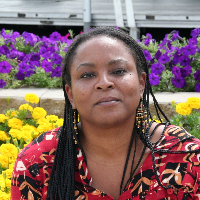
About Cynthia
Cynthia Jenkins is a Licensed Mental Health Practitioner (LMHP) in Nebraska with 34 years of experience. She has worked in low-income communities and in university, senior citizen, and community counseling centers. Cynthia has also taught psychology at universities in Nebraska, Texas, and Missouri and supervised post-graduate students preparing for professional board exams.
She helps people who are dealing with stress, anxiety, depression, addiction, anger, grief, relationship and intimacy struggles, sleeping problems, and career concerns. She also addresses mood disorders, bipolar issues, and the effects of trauma and abuse. Cynthia works with those facing life transitions, caregiving or hospice challenges, and people wrestling with guilt, shame, and family of origin questions.
Her approach blends several well-known methods. Cynthia uses client-centered work to focus on a person’s perspective, Cognitive Behavioral Therapy to notice and change unhelpful thinking and behavior, and Dialectical Behavior Therapy skills for managing strong emotions. She also draws on existential and Jungian ideas when exploring meaning, identity, and personal values.
Her background includes a Ph.D. in Social Psychology and many years of cross-cultural experience from travel and community engagement. She has a long history as a licensed massage therapist, which shaped her interest in bodily awareness and somatic experience.
Cynthia describes her style as eclectic and practical. Sessions tend to be conversational and goal-focused. She helps people identify patterns, practice new skills, and develop clearer ways to handle anger, communication problems, and ongoing stressors.
Outside work she enjoys creative crafts, artistic expression, and spending time outdoors.
How her approaches translate to online sessions
Client-Centered Therapy focuses on listening to a person’s experience and following their lead. Online sessions using this approach are often conversational and help clarify what matters most to the client. Cognitive Behavioral Therapy (CBT) teaches practical ways to notice thought patterns and try different behaviors. It suits problems like anxiety, anger, sleeping issues, and low mood because it produces concrete skills to practice between sessions. Dialectical Behavior Therapy (DBT) offers tools for managing strong emotions and improving interpersonal effectiveness. DBT skills can be taught in short, focused segments and practiced in day-to-day situations.Finding the right mix of approaches is part of the work. The therapist will help decide which methods fit a person’s goals, needs, and preferences. That collaboration means trying techniques, noticing what helps, and adjusting the plan as needed.
The biography does not list specific online session formats, so confirm current options before booking. Online sessions can make it easier to fit counseling into a busy life, allow shorter check-ins when needed, and remove travel time. For people juggling work, caregiving, or health appointments, remote sessions can simplify scheduling and help practice new skills in everyday contexts.
Areas of expertise
Primary focus
Also works with
Additional focus areas
Therapeutic approaches
Experience
34+ years
Credentials
Nebraska
Languages
English
Frequently asked questions
What concerns does she help with?
She works with stress, anxiety, depression, addictions, anger, grief, relationship and intimacy issues, mood disorders including bipolar, and related life changes.
What is her therapeutic style?
Her style is eclectic and practical. Sessions are conversational and focus on identifying patterns and practicing new skills.
How much clinical experience does she have?
She has 34 years of experience counseling in community, university, and senior citizen centers and teaching psychology at universities.
What credentials and location are listed?
She is a Licensed Mental Health Practitioner (LMHP) licensed in Nebraska and practices from that state.
Which languages are offered and can international clients join?
Sessions are offered in English. International clients are not currently accepted.
What session formats are available?
Session formats are not specified in the biography. Confirm current session options before booking.
How does pricing work?
Cost varies with location and sessions use a subscription that can be canceled at any time.
How do I get started?
Select the See online therapy options button, complete a short matching questionnaire, and schedule a first session.
Online talk therapy is not emergency care, and no counselor can promise a particular result. If you might hurt yourself or someone else, call or text 988, or call 911. More urgent help