- Anger management skills
- Relationship work
- Values based ACT
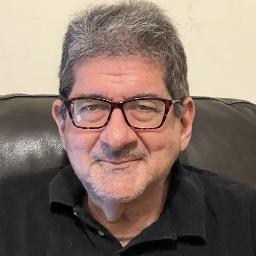
About David
David Ackerman is a Licensed Clinical Social Worker (LCSW) based in New York with 22 years of practice. He works with adults dealing with stress, anxiety, relationship strain, parenting concerns, trauma, grief, and anger among other issues.
He offers straightforward, interactive sessions that focus on building practical coping skills. Sessions aim to reduce reactivity, improve communication, and help people manage frustration that affects close relationships or work life. He also supports people facing mood swings, addictions, sleep or eating difficulties, and challenges from medical illness.
David draws on several therapy styles to match what a person needs in the room. He uses Acceptance and Commitment Therapy to help people clarify values and act on them. Client-centered elements guide sessions around the person’s experience and priorities. Emotionally-Focused Therapy is part of his work when relationships and attachment come up.
Across his practice he uses psychodynamic ideas to look at long-standing patterns, narrative techniques to reframe problems, and motivational interviewing when people want focused change. Conversations tend to be practical and goal-directed, not lecture-style. The emphasis is on small, usable steps that reduce tension and increase control over reactions.
People who come for help with anger often leave with clearer skills for handling triggers, firmer boundaries, and improved ways to repair moments when tempers flare. To begin he asks about current stressors, what has been tried, and what outcomes matter most to the client.
Therapeutic approaches and how online sessions work
David uses Acceptance and Commitment Therapy (ACT) to help people identify what matters most and take small actions aligned with those values. ACT can be useful for frustration, chronic stress, and patterns that keep people stuck. Client-Centered Therapy shapes sessions around the person’s concerns and pace, giving space for what matters most to them. Emotionally-Focused Therapy (EFT) is used when attachment and closeness problems are central, helping people name emotions and change interaction patterns.Choosing the right approach is part of the work. David will talk with clients about their goals, current struggles, and past efforts, and then recommend ways of working together. That decision is collaborative and may change as needs shift over time.
The therapist's biography does not list specific session formats here, so confirm the exact options before booking. Online work can make it easier to fit sessions into a busy week, shorten check-ins, or avoid travel time. It also allows continuing momentum between in-person appointments when that helps keep progress steady.
Areas of expertise
Primary focus
Also works with
Additional focus areas
Therapeutic approaches
Experience
22+ years
Credentials
New York
Languages
English
Frequently asked questions
What kinds of concerns does he help with?
He works with stress, anxiety, relationship strain, parenting issues, trauma, grief, anger, and related problems such as sleep or eating difficulties.
What is his therapeutic style?
He runs interactive, practical sessions that combine client-centered conversation with goal-focused work and psychodynamic reflection when needed.
How much clinical experience does he have?
He has 22 years of clinical experience working with a wide range of mental health and relationship concerns.
What are his credentials and where is he located?
He is a Licensed Clinical Social Worker (LCSW) licensed in New York and practices from that location.
Which languages are sessions offered in?
Sessions are offered in English and he accepts international clients.
What session formats are available?
Session formats are not specified here; confirm current session options before booking so you know whether remote or other formats are offered.
How does payment work?
Cost varies with location and sessions use a subscription model that can be canceled at any time.
How do I begin working with him?
Start by selecting the See online therapy options button, completing a short matching questionnaire, and scheduling a first session.
Online talk therapy is not emergency care, and no counselor can promise a particular result. If you might hurt yourself or someone else, call or text 988, or call 911. More urgent help