- CBT techniques
- Client-centered work
- Trauma experience
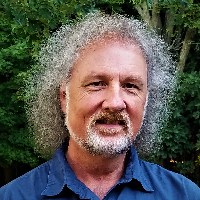
About David
David Kurfman is a Licensed Mental Health Counselor (LMHC) and a Licensed Professional Counselor (LPC) with 35 years of experience in Indiana. He works with adults who face stress, anxiety, anger, depression, addictions, relationship struggles, grief, trauma, parenting challenges, ADHD and mood concerns. He also supports people dealing with guilt, shame, impulsivity, emptiness, and the strains that come from adoption or foster care backgrounds.
Sessions are straightforward and focused on practical change. He uses clear conversation to identify what sets off anger and frustration. Together with each person he looks for shifts in thinking, behavior, and everyday routines that reduce reactive responses.
David draws on several well-established approaches in his work. Client-centered methods keep the conversation focused on the client's experience. Cognitive behavioral techniques help spot patterns of thought and test different responses. Psychodynamic ideas may be used to look at longer-term patterns that repeat across relationships.
He has worked for decades with people recovering from trauma, managing bipolar disorder, or rebuilding after loss. That experience influences how he balances short-term coping tools with attention to deeper emotional themes. Sessions aim to be practical, direct, and respectful of what people are ready to try.
People who want to address anger, reduce recurring conflict, or manage emotional overwhelm will find a steady, experience-based approach. To start, clients complete a brief matching questionnaire and schedule a first session to set goals and outline next steps.
How his approaches translate to online sessions
Client-centered work focuses on the person’s experience and values. In practice this means the therapist listens closely, follows the client's lead, and adjusts pace and topics to what matters most. This approach can help when anger or hurt feels personal and needs careful attention.Cognitive behavioral therapy (CBT) breaks problems into thoughts, feelings, and actions. Online sessions often use CBT to map triggers, try new responses, and set small experiments between meetings. That can help reduce reactive anger by changing moment-to-moment habits.
Psychodynamic ideas look for repeating emotional patterns tied to past relationships. When those patterns feed anger, talking through them online can reveal why certain situations cause strong reactions and how to shift long-standing responses.
Finding the right mix of approaches is part of the work. The therapist will collaborate with the client to choose methods that match their goals, preferences, and daily life. That discussion shapes what gets prioritized in early sessions and what homework or practice might help.
The original profile does not specify session formats, so confirm current online options before booking. Online sessions can make it easier to fit therapy into a busy day, allow shorter check-ins during a break, or remove travel time. They also let people use audio-only meetings if camera time is difficult or lower-bandwidth connections are needed.
Areas of expertise
Primary focus
Also works with
Additional focus areas
Therapeutic approaches
Experience
35+ years
Credentials
Indiana, Tennessee
Languages
English
Frequently asked questions
What kinds of anger problems does he help with?
He works with temper outbursts, building resentment, frustration at work, and living with someone else’s anger. Anger is described alongside related concerns like stress and relationship strain.
How would he approach my temper in sessions?
He combines client-centered conversation with cognitive behavioral tools to identify triggers and test new responses. Sessions balance practical strategies with exploration of repeating patterns.
How much experience does he have?
He has 35 years of clinical experience working with mood issues, trauma, addiction, and family-related concerns.
What credentials and region apply to his practice?
He holds LMHC and LPC credentials and practices in Indiana.
Are sessions available in other languages or countries?
Sessions are offered in English and he accepts international clients.
Which session formats are used?
The original profile does not list specific session formats. Confirm current session options before booking.
How does payment work and what does it cost?
Cost varies with location; sessions use a subscription that can be canceled at any time.
What steps are needed to begin working together?
Select the See online therapy options button, complete a short matching questionnaire, and schedule a first session.
Online talk therapy is not emergency care, and no counselor can promise a particular result. If you might hurt yourself or someone else, call or text 988, or call 911. More urgent help