- ACT techniques
- CBT strategies
- Motivational interviewing
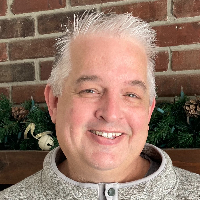
About David
David Rowland is a Licensed Clinical Social Worker (LCSW) in Missouri with ten years of experience. He works with people dealing with depression, anxiety, stress, anger, caregiver strain, compassion fatigue, life transitions, and aging concerns.
He asks about a person's life beyond the presenting problem. That means sessions include talking through day-to-day routines, relationships, and stressors that feed into mood and behavior. He often blends practical skills with conversational check-ins so people can try small changes between meetings.
David uses straightforward, evidence-based methods such as cognitive behavioral techniques and Acceptance and Commitment Therapy. He also draws on person-centered listening to make space for someone to tell their story. Motivational Interviewing and solution-focused steps appear when the goal is clarifying next actions and building momentum.
Sessions focus on concrete problems like managing anger, improving sleep, navigating grief, or coping with workplace stress. He describes therapy as relational - the conversations are grounded, direct, and often include some humor when it fits. People leave with specific skills to practice and clear short-term goals.
David is based in Missouri and works in English. He also accepts clients from outside the United States. Before scheduling, readers should confirm current session options and practical details through the platform's matching and booking process.
Therapeutic approaches and remote sessions
David commonly uses Acceptance and Commitment Therapy and Cognitive Behavioral Therapy in his work. ACT focuses on clarifying what matters most and practicing small, values-based actions even when emotions are difficult. CBT targets the connections between thoughts, feelings, and behaviors and teaches practical skills for changing unhelpful patterns.Choosing the right approach is part of the process. He will work with each person to decide which methods fit their goals and preferences, and may combine elements from different approaches as needed. That collaborative selection helps keep sessions focused on the problems the person wants to change.
This profile does not list specific session formats, so confirm current options before booking. Online sessions can make it easier to fit therapy into a busy day, reduce travel time, or allow for shorter check-ins when schedules demand it. The therapist and client agree on what will work best for regular meetings and on practical details during the initial scheduling steps.
Areas of expertise
Primary focus
Also works with
Additional focus areas
Therapeutic approaches
Experience
10+ years
Credentials
Missouri
Languages
English
Frequently asked questions
What kinds of problems does he help people with?
He works with depression, anxiety, stress, anger, caregiver strain, compassion fatigue, grief, sleep problems, and related life changes.
How would you describe his therapeutic style?
He uses a relational and conversational approach that combines listening with practical skills and short-term goals.
What is his background and experience?
David is an LCSW with ten years of clinical practice, supporting people with mood and stress-related concerns since 2015.
Where is he licensed and in what language does he work?
He holds an LCSW credential in Missouri and conducts sessions in English.
Can people outside the United States work with him?
International clients are accepted; anyone considering sessions from another country should confirm any local regulations before booking.
What session formats does he offer?
Session formats are not specified here; please confirm current options before scheduling a session.
How does his pricing work?
Cost varies with location and sessions use a subscription model that can be canceled at any time.
What do I need to do to get started?
Select the See online therapy options button, complete a short matching questionnaire, and schedule a first session.
Online talk therapy is not emergency care, and no counselor can promise a particular result. If you might hurt yourself or someone else, call or text 988, or call 911. More urgent help