- Attachment issues
- CBT and DBT
- Mindfulness practice
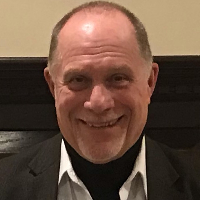
About David
David Spann is a Licensed Clinical Social Worker (LCSW) and a Licensed Independent Social Worker (LISW) practicing in North Carolina with 29 years of experience. He works with adults on issues such as anger, addiction, trauma, anxiety, depression, grief, relationship problems, parenting strain, and career stress.
He draws on clinical work in outpatient, residential, and hospital settings. That background includes time at a Naval Hospital working with active duty Marines. He uses what he learned there to look at how trauma, mental illness, and addiction affect daily life and family stressors.
His approach mixes several practical methods. He uses attachment-based ideas to look at relationship patterns and client-centered work to keep conversations focused on the person's goals. Cognitive Behavioral Therapy and Dialectical Behavior Therapy are part of his toolbox for addressing sharp emotional reactions and unhelpful thinking.
Mindfulness practices and motivational interviewing are woven into sessions to help people notice reactions and make clearer choices. He also brings elements of family systems thinking when family patterns affect an individual's anger or coping.
Outside clinical hours he has long experience in leadership, coaching, and training. That includes crisis intervention training for law enforcement and teaching the NAMI Family to Family program. He offers practical skills for managing anger, setting boundaries, improving communication, and navigating life transitions.
To begin, the booking process asks prospective clients to complete a short matching questionnaire before scheduling a first session. Costs vary by location and use a subscription model that can be canceled at any time.
How his approaches translate to online work
David Spann uses Attachment-Based Therapy to map how early and current relationships shape reactions, which can help when anger comes from feeling threatened or disconnected. Client-Centered Therapy keeps the focus on the person's goals and lived experience, giving room for the client to guide what matters most. Cognitive Behavioral Therapy helps identify and change unhelpful thoughts and behaviors that fuel anger, and Dialectical Behavior Therapy offers practical skills for emotional regulation and interpersonal effectiveness.Choosing an approach is a collaborative process. He will work with clients to match methods to their goals, needs, and preferences rather than imposing a single model. That means sessions can shift toward skills training, processing past trauma, or improving relationship patterns depending on what helps most.
Confirm which online session formats are currently offered before booking, since the biography does not list specific options. Online appointments can make it easier to fit therapy into a busy week, allow shorter check-ins when needed, and remove travel time so sessions are more practical for work and family schedules. The focus remains on applying concrete skills and strategies that can be practiced between sessions to manage anger and stress in everyday life.
Areas of expertise
Primary focus
Also works with
Additional focus areas
Therapeutic approaches
Experience
29+ years
Credentials
North Carolina, Ohio
Languages
English
Frequently asked questions
What kinds of concerns does he address related to anger?
He works with anger alongside related issues such as addiction, trauma, relationship conflict, parenting stress, grief, anxiety, and depression.
What is his therapeutic approach or style?
He combines client-centered work with attachment-based ideas, Cognitive Behavioral Therapy, Dialectical Behavior Therapy, mindfulness, and motivational interviewing to address thinking, emotions, and relationship patterns.
How much clinical experience does he have?
He has 29 years of clinical experience across outpatient, residential, and hospital settings, including work with active duty Marines at a Naval Hospital.
What are his credentials and where is he based?
He is an LCSW and an LISW licensed in North Carolina.
Which languages are supported and can he work with international clients?
Sessions are offered in English and he is not currently accepting international clients.
What session formats are available?
Please confirm current session options when booking, as the biography does not list specific supported session formats.
How does pricing work for sessions?
Cost varies by location and sessions use a subscription model that can be canceled at any time.
How do I get started with a first session?
Use the See online therapy options button, complete the short matching questionnaire, and schedule a first session.
Online talk therapy is not emergency care, and no counselor can promise a particular result. If you might hurt yourself or someone else, call or text 988, or call 911. More urgent help