- CBT methods
- Client-centered care
- Emotion-focused work
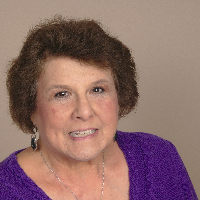
About Deborah
Deborah Lee is an Ohio LISW - Licensed Independent Social Worker with 31 years of clinical experience. She works with people facing stress, anxiety, addiction concerns, grief, relationship and intimacy issues, anger, mood concerns, and other life changes. Sessions focus on practical skills as well as exploration of what drives difficult feelings.
She uses a mix of client-centered, cognitive behavioral, and emotionally focused ideas. That means she listens for what matters most to the person and then helps them test different ways of thinking, acting, and relating. She also draws on existential and narrative approaches when questions about meaning, identity, or story come up.
Deborah blends teaching with therapy. She offers straightforward skills training in communication, conflict resolution, stress reduction, sleep support, and coping tools. She also works on patterns that keep repeating, including family of origin issues, codependency, and problems tied to substance use and recovery when relevant.
Her practice pays attention to complex life contexts such as aging and caregiver stress, chronic illness and pain, and concerns related to gender and sexual identity. People who have faced trauma, shame, or grief may find the sessions include both emotional processing and practical steps for daily life.
Sessions use open conversation and clear feedback. She aims for honest dialogue and collaborative problem solving. To begin a first appointment, users are asked to complete a short matching questionnaire and then schedule an initial session.
How her approaches translate to online work
Client-Centered Therapy focuses on listening and building a respectful working relationship. Online sessions use that same stance to prioritize what matters most to the person and to guide discussion of difficult feelings or conflict.Cognitive Behavioral Therapy (CBT) breaks problems into thoughts, feelings, and actions. In practice this looks like setting small experiments, trying new responses, and tracking how changes affect stress, sleep, mood, and anger.
Emotionally-Focused Therapy (EFT) attends to how people respond to strong emotions in close relationships. It helps people understand patterns of reactivity and practice different ways of connecting when frustration or resentment builds.
Finding the right approach is part of the work. The therapist will collaborate with each person to choose techniques that fit their goals and daily life. That may mean mixing listening with skill teaching and short exercises between sessions.
The original biography does not specify which session formats are offered online, so confirm current options before booking. Many people find remote sessions help fit therapy into busy days, allow shorter check-ins when needed, and make it easier to practice new communication skills in everyday settings.
Areas of expertise
Also works with
Additional focus areas
Therapeutic approaches
Experience
31+ years
Credentials
Ohio
Languages
English
Frequently asked questions
What kinds of concerns does she help with?
She works with stress, anxiety, addictions, depression, relationship and intimacy issues, anger, grief, and related concerns listed in her profile.
What is her therapeutic style?
She combines client-centered listening with cognitive behavioral tools and emotionally-focused techniques, plus existential and narrative perspectives when helpful.
How much clinical experience does she have?
She has 31 years of clinical experience as a licensed social worker in Ohio.
What are her credentials and where is she based?
She holds the Ohio LISW credential and practices from Ohio.
Does she work in languages other than English or with international clients?
Sessions are offered in English and she accepts international clients.
What session formats are offered?
The original biography does not list specific session formats; please confirm current session options before booking.
How much do sessions cost?
Cost varies with location and sessions use a subscription that can be canceled at any time.
How do I get started with her?
Begin by selecting the See online therapy options button, completing a short matching questionnaire, and scheduling a first session.
Online talk therapy is not emergency care, and no counselor can promise a particular result. If you might hurt yourself or someone else, call or text 988, or call 911. More urgent help