- Cognitive Behavioral Therapy
- Client-Centered Therapy
- Hypnotherapy options
About Denauvo
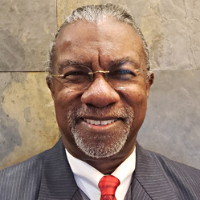
Dr. Denauvo Robinson is a Licensed Clinical Mental Health Counselor (LCMHC) in North Carolina with 48 years of clinical experience. He has worked in residential programs, community agencies, university counseling centers, and independent practice. He helps people with relationship strain, parenting pressures, grief, anxiety, stress, anger, and other life changes.
Robinson uses straightforward, talk-based work that draws on approaches like cognitive behavioral methods and client-centered care. Sessions move at a practical pace. He listens for patterns in thinking and behavior and helps people try different responses in day-to-day life.
His background includes long-term supervision of counselors in university settings and over fifteen years running a independent practice. That mix of agency, campus, and independent practice experience informs how he structures follow-up and check-ins. He also has experience with court-involved adults and people referred by social services.
In sessions he may use psychodynamic ideas to look at recurring themes and hypnotherapy techniques when appropriate. He encourages clients to build on their own resources and develop specific skills to manage anger, improve communication, and rebuild trust after conflict.
People who come to him often want clear, practical steps to handle hot moments and simmering resentment. He works with adults on intimacy issues, self-esteem, career stress, and multicultural concerns. International clients can be seen, and sessions are offered in English.
How his approaches translate to online work
Dr. Robinson commonly uses client-centered methods and cognitive behavioral therapy in his clinical work. Client-centered therapy emphasizes listening, reflecting, and building on a person’s strengths to address issues like relationship tension and self-esteem. Cognitive behavioral therapy focuses on identifying unhelpful thoughts and practicing specific behavior changes to reduce anger, anxiety, and stress.He also integrates psychodynamic ideas to notice recurring patterns and may use hypnotherapy techniques when they fit a person’s goals. These approaches are described and tried collaboratively so the client and therapist can see what helps most. He works with each person to decide which methods to try and adjusts the plan as needs change.
If you are considering online sessions, check the listing to confirm which formats are currently offered before booking. Many people find remote sessions easier to fit into a busy day, useful for brief check-ins, or better when travel is difficult. Online work can make regular follow-up simpler while still supporting practical skill practice, communication work, and coping strategies for anger and stress.
Areas of expertise
Primary focus
Also works with
Additional focus areas
Therapeutic approaches
Experience
48+ years
Credentials
North Carolina
Languages
English
Frequently asked questions
What concerns does he address related to anger?
He works with relationship conflicts, parenting strain, workplace frustration, resentment, and anger linked to trauma and grief.
What is his therapy style like?
His approach is practical and talk-based, combining client-centered listening with cognitive-behavioral techniques and occasional psychodynamic or hypnotherapy methods.
How much clinical experience does he have?
He has 48 years of counseling experience across residential, agency, university, and independent practice settings.
Where is he licensed and located?
He is an LCMHC licensed in North Carolina and practices from that state.
Which languages are supported?
Sessions are offered in English and the practice accepts international clients.
What session formats are available?
The original biography does not list specific session formats; confirm current session options before booking.
How are fees handled?
Cost varies with location and sessions use a subscription model that can be canceled at any time.
How do I begin working with him?
Use the See online therapy options button, complete a short matching questionnaire, and schedule a first session.
Online talk therapy is not emergency care, and no counselor can promise a particular result. If you might hurt yourself or someone else, call or text 988, or call 911. More urgent help