- Stress management
- Communication skills
- Attachment issues
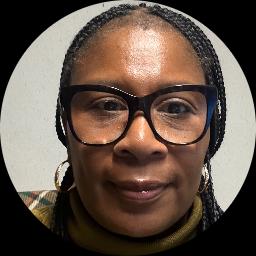
About Dorothy
Dorothy Taylor is a Licensed Clinical Social Worker - LCSW - and a CSW practicing in North Carolina with 11 years of experience. She works with people facing stress, anxiety, depression, relationship strain, anger, and life transitions. She also addresses addictions, trauma and abuse, and concerns tied to career and self-esteem.
Dorothy helps individuals sort through attachment and abandonment worries. She supports people dealing with blended family issues, caregiver stress, chronic illness, codependency, and communication or control problems. She also works with those navigating divorce, fertility struggles, and family of origin concerns.
Her style is collaborative and person-centered. Sessions focus on practical strategies people can use between meetings. Conversations cover patterns that keep problems repeating and small changes that reduce argument, resentment, or emotional overload.
Over eleven years in clinical practice, Dorothy has worked across a wide range of emotional and life challenges. She leans on evidence-based therapeutic techniques to guide problem-solving and emotional regulation. The emphasis is on clear, usable tools rather than labels or jargon.
People who come to her practice get straightforward help with communication, setting boundaries, and managing anger and frustration. She asks about goals up front and checks progress as therapy continues. To begin, people follow the site's matching steps and schedule a first session.
How evidence-based methods translate to online sessions
Many of the approaches Dorothy relies on come from evidence-based therapeutic techniques. One common approach is cognitive-behavioral work, which looks at unhelpful thought patterns and builds practical skills to change reactions and behavior. This method can help with anger, anxiety, and low mood by teaching new ways to respond to triggers.Another helpful technique is skills-based emotion regulation work, which focuses on short exercises and tools to lower intensity when anger or distress rises. These are concrete steps people can practice between sessions to reduce reactivity and improve communication.
Finding the right approach is part of the process. Dorothy works collaboratively to identify which methods fit a person's situation, goals, and preferences. She will adjust the plan over time based on what helps and what doesn't.
Confirm the session formats before booking since the biography does not specify them. Online therapy can make it easier to fit sessions around work, childcare, or medical needs. It can also allow shorter check-ins or sessions without needing travel, which helps keep momentum when problems like anger or stress are building.
Areas of expertise
Primary focus
Also works with
Additional focus areas
Experience
11+ years
Credentials
Colorado, North Carolina, Virginia
Languages
English
Frequently asked questions
What kinds of concerns does she address?
She works with stress, anxiety, depression, anger, relationship and family-related concerns, plus addictions and trauma.
What is her therapeutic style?
Her approach is collaborative and person-centered, using practical strategies and evidence-based techniques to reduce conflict and improve coping.
How much clinical experience does she have?
She has 11 years of clinical experience working with a broad range of emotional and life challenges.
What credentials and location are listed?
She holds LCSW and CSW credentials and practices in North Carolina.
Which languages are supported and can she work internationally?
Sessions are offered in English and she accepts international clients.
What session formats are available?
The original biography does not list specific session formats; please confirm current session options before booking.
How does pricing work?
Cost varies with location and sessions use a subscription that can be canceled at any time.
How do I start working with her?
Use the See online therapy options button, complete the short matching questionnaire, and schedule a first session.
Online talk therapy is not emergency care, and no counselor can promise a particular result. If you might hurt yourself or someone else, call or text 988, or call 911. More urgent help