- Anger management
- Trauma recovery
- Values based care
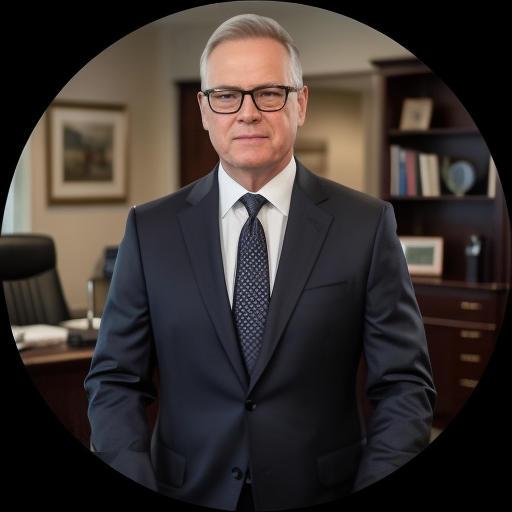
About Edward
Dr. Edward Varner is a Tennessee licensed professional counselor with the LPC-MHSP credential and over 30 years of clinical experience. He works with adults who are dealing with depression, relationship problems, trauma, anger, stress, and mood disorders. Sessions are conducted in English and Japanese and he accepts international clients.
Varner emphasizes straightforward, practical work in the room. He helps people sort through relationship dynamics, build coping strategies, and manage strong emotions. He also supports those facing grief, career strain, parenting challenges, and changes that come with life transitions.
His approach draws on several therapeutic methods, including Acceptance and Commitment Therapy, Cognitive Behavioral Therapy, Dialectical Behavior Therapy, Attachment-Based Therapy, and client-centered work. He uses these methods to help people notice patterns, try different responses, and build skills for everyday situations.
The biography notes a Christian perspective and a conservative stance that some clients may prefer. That viewpoint guides how he frames values, goals, and conversations about meaning and behavior. He also works with people who identify as LGBT and those navigating sexual concerns such as BDSM and kink related issues.
Varner has long experience with trauma and with people managing mood disorders such as bipolar disorder. He also lists focus on addiction, domestic violence, dissociation, and attachment or family of origin issues. People who want a direct, values-aware counselor for anger and related concerns may find his style fits their needs.
How his approaches translate to online work
Acceptance and Commitment Therapy helps people notice uncomfortable thoughts and feelings and then act in line with their values. It is useful for anger that ties into guilt, shame, or long-standing patterns. Cognitive Behavioral Therapy looks at the links between thoughts, feelings and actions and teaches concrete skills to interrupt unhelpful reactions. It is practical for workplace anger, rumination, and mood symptoms. Dialectical Behavior Therapy focuses on building emotion regulation, distress tolerance, and improved interpersonal effectiveness to manage intense feelings and conflicts.Finding the best approach is part of the therapy process. He will work with each client to clarify goals, try methods that fit those goals, and adjust based on what helps. That collaborative process makes sessions more focused and relevant to the person's day-to-day life.
Session formats are not detailed in the biography, so confirm current options before booking. Many people find remote sessions make it easier to fit therapy around work, caregiving, or travel. Other practical benefits include shorter check-ins when needed, flexibility with scheduling, and avoiding travel time to an office. Discussing how to structure sessions happens early on so therapy can fit into the client's routine and needs.
Areas of expertise
Primary focus
Also works with
Additional focus areas
Therapeutic approaches
Experience
30+ years
Credentials
Tennessee
Languages
English, Japanese
Frequently asked questions
What kinds of issues does he help with?
He works with depression, relationship struggles, trauma and anger as well as mood disorders, grief, parenting and career stress.
What is his therapeutic style?
He combines ACT, CBT, DBT, attachment work and client-centered methods to teach skills and explore values in practical ways.
How long has he been practicing?
He has 30 years of clinical experience working with a range of emotional and behavioral concerns.
What are his credentials and where is he based?
He holds the LPC-MHSP credential and practices in Tennessee.
Does he offer sessions in other languages?
Sessions are offered in English and Japanese.
Can people outside the United States work with him?
He accepts international clients.
How are sessions structured and what formats are available?
Confirm current session options before booking since formats are not specified in the biography.
How are fees handled and how do I begin?
Cost varies with location and sessions use a subscription that can be canceled at any time. To start, use the See online therapy options button, complete a short matching questionnaire, and schedule a first session.
Online talk therapy is not emergency care, and no counselor can promise a particular result. If you might hurt yourself or someone else, call or text 988, or call 911. More urgent help