- Client-Centered Therapy
- Cognitive Behavioral Therapy
- Trauma-Focused Therapy
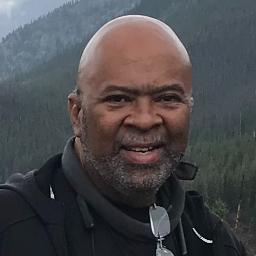
About Floyd
Floyd Smith is a Licensed Clinical Social Worker (LCSW) practicing in Missouri with 39 years of experience. He focuses on helping people manage anger, process trauma and abuse, and navigate grief. Floyd works with adults facing mood disorders, anxiety, and the everyday strain of relationships and life changes.
He centers sessions on clear conversation and practical steps. Floyd listens for what matters most and then helps people try manageable changes. Sessions address communication problems, self-esteem, and coping skills rather than quick fixes.
His approach draws on Client-Centered Therapy, Cognitive Behavioral Therapy (CBT), and Trauma-Focused Therapy. That mix lets him shift between exploring how someone sees themselves and practicing new behaviors that reduce reactivity and distress.
People who have experienced sexual assault, post-traumatic stress, or chronic shame and guilt can expect steady attention to both emotional safety and concrete skill building. He also works with issues tied to identity and multicultural concerns, including support for LGBT people.
Floyd often helps clients break down patterns that lead to explosive responses or simmering resentment. He uses straightforward tools to manage anger, improve communication, and rebuild trust in relationships. His long practice includes work with young adult issues and compassion fatigue.
How his approaches translate to online work
Client-Centered Therapy focuses on listening and reflecting what a person says so they can better understand their feelings and choices. Online sessions using this approach often involve straightforward conversation about triggers, relationships, and what a person wants to change.Cognitive Behavioral Therapy (CBT) breaks problems into thoughts, feelings, and actions and teaches specific exercises to shift unhelpful patterns. Remotely, CBT can include homework, thought records, and short in-session practice to reduce reactivity and manage anger and anxiety.
Trauma-Focused Therapy prioritizes processing traumatic events at a pace the person can handle while teaching coping strategies for intrusive memories and hyperarousal. In an online setting this work balances careful discussion with practical grounding techniques and skill rehearsal.
Finding the right fit is part of the process. Floyd works collaboratively to decide which approach or combination makes sense based on a person's goals, reactions, and comfort level. He reviews progress and adjusts the plan as needed rather than sticking to a fixed method.
The profile does not list which online session formats are used, so confirm current options before booking. Online sessions can make it easier to fit therapy into work or family schedules, allow shorter check-ins when needed, and let people use methods like worksheets or guided exercises between meetings.
Areas of expertise
Primary focus
Also works with
Additional focus areas
Therapeutic approaches
Experience
39+ years
Credentials
Missouri
Languages
English
Frequently asked questions
What types of concerns does he address?
He works with anger, trauma and abuse, grief, depression, anxiety, self-esteem, and related relationship or intimacy issues.
How would he describe his therapy style?
He uses a mix of Client-Centered Therapy, CBT, and Trauma-Focused Therapy to combine listening with practical skill-building.
How many years has he practiced?
He has 39 years of clinical experience in social work and mental health.
What are his credentials and where is he based?
He is an LCSW licensed in Missouri and practices there.
Does he work with clients in other languages or countries?
Sessions are offered in English and he is not accepting international clients.
What session formats are offered?
The original profile does not list specific session formats; confirm current session options before booking.
How much do sessions cost?
Cost varies with location and sessions use a subscription that can be canceled at any time.
How do I begin working with him?
Select the See online therapy options button, complete a short matching questionnaire, and schedule a first session.
Online talk therapy is not emergency care, and no counselor can promise a particular result. If you might hurt yourself or someone else, call or text 988, or call 911. More urgent help