- Anger management
- Relationship strain
- Mindfulness practice
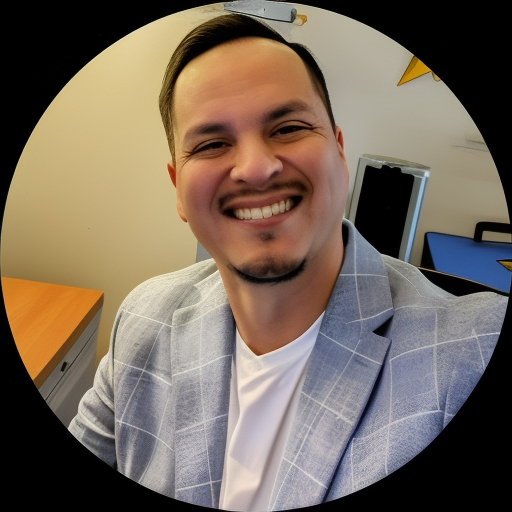
About Francisco
Francisco Olmos is a California licensed marriage and family therapist (LMFT) with 10 years of clinical experience. He works with people who are dealing with stress, anxiety, grief, depression, relationship and intimacy concerns, parenting challenges, anger, and life transitions. Sessions are offered in English and Spanish.
Francisco aims to make sessions straightforward and practical. He helps people name what is happening, notice patterns, and try small changes that can ease daily strain. Conversations focus on current problems and workable steps rather than lengthy theory.
He draws on Attachment-Based ideas to look at how early relationships shape reactions today. He also uses Client-Centered methods to follow a person's pace and priorities. Cognitive Behavioral Therapy techniques are used to spot unhelpful thoughts and test different behaviors.
In therapy he often combines storytelling and mindfulness exercises to reduce reactivity and increase choice. Sessions can explore how anger and resentment build, how communication breaks down, and what can make relationships less tense. He also addresses related areas like career stress, self-esteem, and coping after loss.
Francisco encourages practical homework between sessions. That might include short breathing or grounding practices, small behavioral experiments, or tracking patterns that trigger strong feelings. He asks clients to set clear, realistic goals and reviews progress together each session.
How his approaches work in online sessions
Francisco uses Attachment-Based ideas to look at how early bonds affect current reactions. That approach helps when patterns of mistrust, avoidance, or clinging show up in relationships and in anger. Client-Centered work means the therapist follows a person's concerns and pace, giving space for what matters most in the moment. Cognitive Behavioral Therapy (CBT) focuses on identifying unhelpful thoughts and testing new behaviors to reduce intense reactions.Choosing the right approach is a collaborative process. He will talk with each person about goals, try different strategies, and adjust what they work on together based on what helps. The emphasis is on clear aims and practical steps rather than one fixed method.
Confirm the current session formats before booking if you need a specific setup. Online work can make it easier to fit therapy into a busy week, reduce travel time, and allow for shorter check-ins when needed. It can also let people practice new communication skills in the context of everyday life. Francisco uses his stated therapeutic approaches to shape sessions so they connect to what is happening in daily routines and relationships.
Areas of expertise
Primary focus
Also works with
Additional focus areas
Therapeutic approaches
Experience
10+ years
Credentials
California
Languages
English, Spanish
Frequently asked questions
What concerns does he help with?
He helps people with stress, anxiety, trauma, grief, depression, relationship and intimacy issues, parenting, anger, and related life changes.
What is his approach in sessions?
He blends Attachment-Based, Client-Centered, and Cognitive Behavioral methods to focus on patterns, present problems, and practical steps people can try between sessions.
How much clinical experience does he have?
He has 10 years of professional experience working with individuals on a range of emotional and relationship concerns.
What are his credentials and where is he based?
He is a California LMFT and practices in California.
Which languages are supported for sessions?
Sessions are offered in English and Spanish.
Can international clients work with him?
He does not accept international clients at this time.
How are sessions paid for?
Cost varies with location and sessions use a subscription that can be canceled at any time.
What is the first step to begin?
Select the See online therapy options button, complete a short matching questionnaire, and schedule a first session.
Online talk therapy is not emergency care, and no counselor can promise a particular result. If you might hurt yourself or someone else, call or text 988, or call 911. More urgent help