- ACT and CBT based
- DBT skills practice
- Addiction and grief
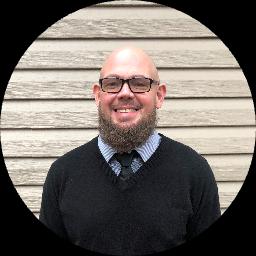
About Gary
Gary Ratliff is an Ohio Licensed Independent Social Worker (LISW) with 10 years of clinical experience in mental health and addiction services. He works with adults who are dealing with stress, anxiety, trauma and abuse, anger, depression, addictions, and problems with motivation and self-esteem.
He describes practical, person-focused sessions where conversation and simple tools are the main work. Sessions look at what causes anger and frustration, and at small changes that make daily life easier. He also addresses sleeping problems, grief, career concerns, and coping with life changes.
Gary uses several approaches in sessions, including Acceptance and Commitment Therapy (ACT), Cognitive Behavioral Therapy (CBT), Dialectical Behavior Therapy (DBT), Client-Centered Therapy, and Mindfulness Therapy. Those methods guide how he helps people notice thoughts, try different behaviors, and practice skills that reduce reactivity.
He has worked in settings for addiction and mental health across the past decade. That background informs straightforward strategies for impulses, substance concerns, and handling guilt or shame. He also supports people facing chronic illness, parenting stresses such as fatherhood issues, and relationship problems like communication and codependency.
Sessions are conducted in English and take place under his Ohio practice. To begin, a short questionnaire and an initial session are used to set goals and plan next steps.
Therapeutic approaches and online sessions
Gary uses Acceptance and Commitment Therapy (ACT) to help people notice difficult thoughts and decide what matters most to them. ACT focuses on values-based action and helps when anger or avoidance gets in the way of daily life.He also uses Cognitive Behavioral Therapy (CBT) to identify unhelpful thinking and try practical behavior changes. CBT offers concrete skills for managing impulses, reducing rumination, and improving sleep and mood.
Finding the right approach usually happens together. He will review your situation, goals, and preferences and suggest which methods to try. That plan can change as work progresses so the approach stays useful and relevant.
Session formats are not specified in the biography, so confirm current session options before booking. Online work can make it easier to fit sessions into a busy schedule, shorten check-ins on a work break, or avoid travel time. Talk with him during the matching process about what practical session setup will fit your routine.
Areas of expertise
Primary focus
Also works with
Additional focus areas
Therapeutic approaches
Experience
10+ years
Credentials
Ohio
Languages
English
Frequently asked questions
What kinds of issues does he help with?
He works with stress, anxiety, trauma and abuse, anger, self-esteem, depression, addictions, grief, sleep problems, career issues, and related concerns.
What approach does he use in sessions?
He draws on Acceptance and Commitment Therapy, Cognitive Behavioral Therapy, Dialectical Behavior Therapy, Client-Centered Therapy, and Mindfulness Therapy depending on the client’s needs.
How much experience does he have?
He has 10 years of professional experience in the mental health and addiction fields.
What are his credentials and where is he based?
He is an Ohio LISW and practices in Ohio.
Which languages are supported?
Sessions are offered in English.
Can international clients work with him?
International clients are not currently accepted.
How are sessions paid for?
Cost varies with location and sessions use a subscription model that can be canceled at any time.
How do I get started?
Select the See online therapy options button, complete a short matching questionnaire, and schedule a first session.
Online talk therapy is not emergency care, and no counselor can promise a particular result. If you might hurt yourself or someone else, call or text 988, or call 911. More urgent help