- Client-centered
- CBT skills
- Mindfulness
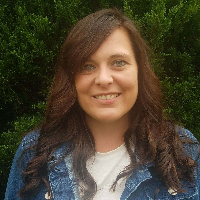
About Heather
Heather Pack is a Licensed Professional Counselor (LPC) in West Virginia with 15 years of clinical experience. She has worked across school counseling, mental health counseling, and substance abuse settings and focuses on common concerns such as stress, anxiety, addiction, trauma, depression, relationship and parenting issues, and anger.
She has run treatment centers for addiction and provided case management for people with schizophrenia. Those roles gave her a lot of hands-on experience with complex needs and with coordinating care. Heather uses what she learned in those settings to help people sort problems into manageable steps and find practical ways forward.
Her approach draws on client-centered therapy, cognitive behavioral therapy (CBT), dialectical behavior therapy (DBT), hypnotherapy, and mindfulness therapy. In sessions she helps people notice thoughts and reactions, practice different skills, and try new behaviors to reduce reactivity and improve daily functioning. The work is practical and focused on what people can do between sessions.
Heather also brings experience from school settings, which shapes how she supports people who are adjusting to life changes or parenting stress. She sometimes uses coaching-style questions to set simple goals and track small wins over time.
Outside of clinical work she teaches dance and reads widely about trauma and recovery. That background contributes to a straightforward, active style in sessions that emphasizes resilience and real-world coping.
How Heather uses practical approaches in online sessions
Heather commonly uses client-centered therapy and cognitive behavioral therapy in her online work. Client-centered therapy focuses on listening and responding to what matters to the person, helping them set priorities and clarify goals. CBT looks at patterns of thought and behavior and teaches concrete skills to reduce reactivity, worry, and unhelpful habits.She also draws on dialectical behavior therapy techniques to teach emotion regulation and distress tolerance skills. DBT-style skills can be useful for handling intense anger or strong emotional reactions by offering step-by-step practices to change how someone responds in the moment.
Finding the right mix of approaches is something she does with the client. Sessions begin with a conversation about needs and goals, then test approaches to see what helps most. That collaborative process lets the therapist adjust focus and tools based on how the client responds over time.
Confirm the exact session formats before booking, as the biography does not list specific options. Online sessions can make it easier to fit counseling into a busy week, reduce travel time, and allow shorter check-ins when needed. Discussing preferred session length and timing during the first meeting helps fit therapy into everyday life.
Areas of expertise
Also works with
Additional focus areas
Therapeutic approaches
Experience
15+ years
Credentials
West Virginia
Languages
English
Frequently asked questions
What kinds of problems does she help with?
She works with stress, anxiety, addiction, trauma, depression, relationship and parenting concerns, anger, bipolar disorder, ADHD, and related issues.
What is her therapeutic style?
She uses a practical mix of client-centered work, CBT, DBT, hypnotherapy, and mindfulness to build skills and reduce reactivity.
How much clinical experience does she have?
She has 15 years of experience across school counseling, mental health, and substance abuse settings.
What credentials and location are listed?
She is a Licensed Professional Counselor (LPC) licensed in West Virginia and practices out of West Virginia.
Which languages are supported?
Sessions are offered in English only.
Are international clients accepted?
International clients are not currently accepted.
How are sessions scheduled and what do they cost?
Cost varies with location and sessions use a subscription that can be canceled at any time.
How do I begin working with her?
Select the See online therapy options button, complete a short matching questionnaire, and schedule a first session.
Online talk therapy is not emergency care, and no counselor can promise a particular result. If you might hurt yourself or someone else, call or text 988, or call 911. More urgent help