- CBT methods
- DBT skills
- Mindfulness work
About Iesha
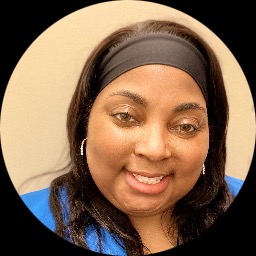
Iesha Whitaker is a New York Licensed Clinical Social Worker (LCSW) with eight years of experience. She helps people manage stress, anxiety, addiction concerns, relationship problems, trauma and abuse, and depression. She also works with people facing issues related to grief, intimacy, parenting, anger, self-esteem, career changes, and ADHD, among other concerns.
Her approach is straightforward and skills-based. She draws on cognitive behavioral therapy to help people notice and change unhelpful thinking and behavior. Dialectical behavior therapy skills are used to manage intense emotions and improve interpersonal effectiveness. Mindfulness practices are introduced to help calm the body and steady attention.
She also uses motivational interviewing to support people who want to make difficult changes, and narrative therapy to help people reconsider problem stories they may carry about themselves. Sessions focus on practical tools clients can try between meetings. Progress is tracked through small, measurable steps rather than vague goals.
Working with Iesha typically means learning concrete strategies for handling anger, reducing panic, and improving communication. She pays attention to family of origin issues, attachment and abandonment concerns, and the stress faced by caregivers. That makes her a fit for people dealing with blended family dynamics, loneliness, or life purpose questions.
Her base is New York and she conducts sessions in English. People who want to begin are asked to complete a short matching questionnaire and schedule a first session through the online therapy options button.
How her approaches translate to online sessions
CBT focuses on the link between thoughts, feelings, and actions. In online sessions this means identifying unhelpful thinking patterns and planning concrete behavior experiments to try between meetings. It can help with anxiety, panic attacks, low mood, and managing anger triggers.DBT emphasizes emotion regulation and interpersonal skills. Online work on DBT skills often includes practicing grounding, distress tolerance, and clearer communication strategies that reduce escalation in conflict. These skills are useful for people who feel their anger becomes hard to manage in the moment.
Finding the right approach is a collaborative process. The therapist will review concerns, goals, and preferences and suggest which methods to focus on. Clients and the therapist adjust as they see what works, combining skill practice with reflective work when needed.
Confirm the exact session formats before booking since the biography does not list specific options. Online sessions can make it easier to fit therapy into a busy life and allow for shorter check-ins when time is limited. They also let people practice skills in real-world routines and follow up on homework between meetings.
Areas of expertise
Primary focus
Also works with
Additional focus areas
Therapeutic approaches
Experience
8+ years
Credentials
New York
Languages
English
Frequently asked questions
What kinds of anger issues does she address?
She helps with losing temper in close relationships, built-up resentment, frustration at work, and living with someone else's anger.
How would you describe her therapy style?
She uses practical, skills-based methods that focus on measurable steps and tools to try between sessions.
How much clinical experience does she have?
She has eight years of professional experience working with stress, anxiety, addictions, trauma, and mood concerns.
What are her credentials and where is she based?
She is a Licensed Clinical Social Worker (LCSW) licensed in New York and practices from that location.
Which languages are offered for sessions?
Sessions are offered in English.
Can international clients work with her?
International clients are not currently accepted.
How does pricing work for sessions?
Cost varies with location and sessions use a subscription model that can be canceled at any time.
What should I do to get started?
Select the See online therapy options button, complete the short matching questionnaire, and schedule a first session.
Online talk therapy is not emergency care, and no counselor can promise a particular result. If you might hurt yourself or someone else, call or text 988, or call 911. More urgent help