- CBT strategies
- Client-centered work
- Solution-focused goals
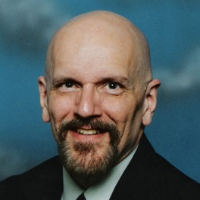
About Jack
Jack Richey is an LCSW - Licensed Clinical Social Worker in Illinois with 20 years of experience. He works with adults dealing with stress, anxiety, depression, grief, anger, relationship and family concerns, and life transitions. He also addresses issues such as self-esteem, parenting challenges, career strain, and ADHD-related struggles.
Jack uses straightforward talk and practical steps in session. He listens to what matters most and helps people name patterns that cause repeated conflict or frustration. Sessions focus on useful skills and clearer communication rather than long theory talks.
His approach draws on Client-Centered methods to keep conversations focused on the person's perspective. He also uses Cognitive Behavioral Therapy to identify unhelpful thoughts and behaviors that fuel anger or anxiety. Solution-Focused Therapy helps set concrete goals and check small changes over time.
In practice, Jack helps people work through anger that shows up at home or work, resentment that builds over time, and problems that grow from poor communication. He guides clients through managing impulses, reducing shame or guilt, and repairing strained connections when possible.
People who come to him for help often want clear steps and practical tools. He supports clients who are exploring career decisions, navigating separation or blended family stress, or coping with caregiver strain. Sessions aim to increase clarity, reduce reactive patterns, and improve how people handle difficult conversations.
How his approaches translate to online work
Client-Centered Therapy focuses on listening and following the client's lead. Online conversations use that same stance to let the client set the pace and topics, which can be helpful for sorting what triggers anger and resentment.Cognitive Behavioral Therapy (CBT) breaks problems into thoughts, feelings, and actions. In an online session, CBT can be used to spot patterns that keep anger alive and to practice different reactions between meetings.
Solution-Focused Therapy aims for small, achievable changes. Online sessions can map clear short-term goals and check progress week to week to build confidence and reduce reactive habits.
Choosing the right approach is collaborative. The therapist will work with the client to match goals, needs, and preferences to the methods used. That means trying practical tools, reviewing how they worked, and adjusting the plan together.
Confirm the current session formats before booking since formats are not specified in the biography. Online work can make it easier to fit sessions into a busy week, run a shorter focused check-in, or avoid travel time. It also allows the same clinical methods to be used across different settings while aiming to keep therapy practical and goal oriented.
Areas of expertise
Primary focus
Also works with
Additional focus areas
Therapeutic approaches
Experience
20+ years
Credentials
Illinois
Languages
English
Frequently asked questions
What kinds of anger-related problems does he address?
He works with adults facing anger at home or work, built-up resentment, impulse control concerns, and related relationship strain.
How would he describe his therapeutic style?
He uses plain, practical conversations that focus on skills and communication rather than long theoretical explanations.
How much clinical experience does he have?
He has 20 years of experience as a clinician working with mood, anxiety, family, and anger-related issues.
What credential and location are listed?
He is an LCSW - Licensed Clinical Social Worker practicing in Illinois.
Which languages are sessions offered in?
Sessions are offered in English.
What session formats are available?
Please confirm current session options before booking as session formats are not specified in the biography.
How is payment handled and what does it cost?
Cost varies with location and sessions use a subscription that can be canceled at any time.
How do I begin working with him?
Select the See online therapy options button, complete a short matching questionnaire, and schedule a first session.
Online talk therapy is not emergency care, and no counselor can promise a particular result. If you might hurt yourself or someone else, call or text 988, or call 911. More urgent help