- Stress and anxiety
- CBT and ACT methods
- Mindfulness practice
About James
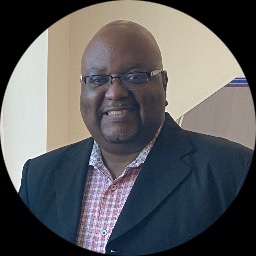
Dr. James Smith is a South Carolina licensed independent social worker with clinical practice (LISW-CP) and 32 years of experience. He focuses on stress, anxiety, relationship problems, anger, and depression. He also works with people facing life changes, addictions, trauma and abuse, and intimacy-related concerns.
He keeps things straightforward in sessions. He listens to what is happening now and what the person wants to change. He helps people name patterns that lead to anger or repeated conflict. Then he introduces practical skills to try between sessions.
His approach draws on several established methods, including acceptance and commitment strategies, client-centered conversations, cognitive behavior techniques, dialectical behavior skills, and mindfulness. Those tools are used to help with impulsive reactions, workplace frustration, holding resentments, or dealing with another person’s anger. Sessions look at thoughts, choices, and small behavior changes that reduce escalation.
People who come to him for help often want clear steps and something they can practice. He supports building everyday skills like noticing triggers, pausing before reacting, and restoring connections after a conflict. He also addresses related concerns such as communication problems, control issues, caregiver stress, and body image worries.
He sees English-speaking clients in South Carolina. To begin, people are asked to complete a short matching questionnaire and schedule a first session. The service uses a subscription that can be canceled at any time.
How his approaches translate to online work
Acceptance and Commitment Therapy (ACT) helps people notice thoughts and feelings without getting swept away by them, then choose actions that reflect personal values. Cognitive Behavioral Therapy (CBT) looks at thoughts and behaviors that fuel anger and teaches concrete skills to challenge unhelpful thinking and change responses. Mindfulness Therapy trains simple attention and breathing practices to reduce reactivity and improve awareness of early warning signs.Choosing the right mix of methods is treated as a collaborative process. The therapist and client discuss goals, try techniques, and adjust the plan based on what helps most. That means sessions can shift focus from learning skills to practicing them in real situations when needed.
The practical benefits of online sessions include fitting meetings into a busy week and making it easier to keep short, regular check-ins. Confirm which session formats are offered before booking so you know what to expect. The emphasis is on usable strategies that can be practiced between meetings and integrated into day-to-day life.
Areas of expertise
Primary focus
Also works with
Additional focus areas
Therapeutic approaches
Experience
32+ years
Credentials
South Carolina
Languages
English
Frequently asked questions
What kinds of concerns does he address?
He works with stress, anxiety, relationship problems, anger, depression, and related issues such as addictions and trauma.
What is his style in therapy?
He uses a practical, skills-focused style that combines conversation with exercises to try between sessions.
How long has he been practicing?
He has 32 years of professional experience in social work and clinical practice.
What are his credentials and where does he practice?
He holds the SC LISW-CP credential and practices in South Carolina.
Which languages are supported?
Sessions are offered in English.
Can people outside the United States work with him?
He does not accept international clients at this time.
How are sessions paid for and what does it cost?
Cost varies with location; sessions use a subscription model that can be canceled at any time.
What are the steps to start working together?
Select the See online therapy options button, complete a short matching questionnaire, and schedule your first session.
Online talk therapy is not emergency care, and no counselor can promise a particular result. If you might hurt yourself or someone else, call or text 988, or call 911. More urgent help