- ACT and CBT methods
- DBT skills work
- Client-centered focus
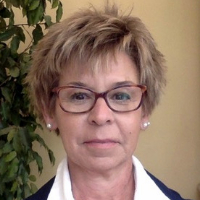
About Jane
Jane Robbins is an LCSW - Licensed Clinical Social Worker in North Carolina with 25 years of experience. She works with adults facing stress, anxiety, depression, relationship problems, grief, addiction, anger, and other life challenges. She also lists a range of concerns from sleep and eating issues to caregiver stress and aging-related matters.
Her style is practical and collaborative. She focuses on building a trusting rapport first, because people need to feel comfortable before real work can happen. Sessions center on figuring out what approach fits each person rather than forcing a single method. The client’s goals guide the plan.
Jane uses several clinical approaches and draws from them as needed. She blends Acceptance and Commitment Therapy (ACT), Cognitive Behavioral Therapy (CBT), Dialectical Behavior Therapy (DBT), psychodynamic ideas, and client-centered methods to address thoughts, behaviors, and long-term patterns. That mix helps with managing strong emotions, shifting unhelpful thinking, and improving coping skills.
She has worked in a variety of settings across her career, including work with older adults and people in hospice care, and has experience with trauma, chronic mental illness, and family-of-origin issues. She emphasizes practical steps people can try between sessions and supports clients as they test new ways of handling stress and conflict.
People who want straightforward, down-to-earth help with temper, resentment, or difficulties caused by someone else’s anger may find her approach useful. Before scheduling, confirm the current session formats and logistics to make sure they match your needs.
How her approaches translate to online work
Acceptance and Commitment Therapy (ACT) focuses on noticing thoughts and values-based action. It can help when anger shows up as avoidance, stuckness, or repeated unhelpful reactions. Cognitive Behavioral Therapy (CBT) looks at the links between thoughts, feelings, and behavior and teaches concrete skills to change patterns that keep anger and anxiety going. Dialectical Behavior Therapy (DBT) brings skill-building for emotion regulation, distress tolerance, and interpersonal effectiveness that can reduce impulsive reactions.Finding the right approach is part of the early work. The therapist will help you choose which methods to try based on your goals, daily demands, and what has or hasn’t helped before. This is a collaborative process that can shift as you learn what works best.
The biography does not list specific session formats, so confirm options before booking. Online sessions can make it easier to fit therapy into workdays, caregiving routines, or travel by reducing commute time. They also allow for shorter check-ins when needed and let people use video or phone based on their energy, bandwidth, or comfort with being on camera. Ask about current session formats and how they match your schedule and needs before you book.
Areas of expertise
Primary focus
Also works with
Additional focus areas
Therapeutic approaches
Experience
25+ years
Credentials
North Carolina
Languages
English
Frequently asked questions
What kinds of anger or related problems does she help with?
She works with people dealing with losing their temper, growing resentment, and stress tied to relationships, work, or caregiving.
How would you describe her therapeutic style?
Her style is collaborative and practical. She builds rapport first and adapts methods to fit each person's needs.
How much clinical experience does she have?
She has 25 years of experience working in counseling roles across a range of settings, including hospice and care for older adults.
What are her credentials and where does she practice?
She is an LCSW - Licensed Clinical Social Worker - licensed in North Carolina and practices from that state.
Can I work with her if I live outside the United States?
Sessions are offered to international clients; confirm any practical details before booking.
Which session formats does she offer?
The biography does not list specific session formats. Please confirm current session options before booking.
How much do sessions cost?
Cost varies with location and sessions use a subscription that can be canceled at any time.
What are the first steps to start working together?
Select the See online therapy options button, complete a short matching questionnaire, and schedule a first session.
Online talk therapy is not emergency care, and no counselor can promise a particular result. If you might hurt yourself or someone else, call or text 988, or call 911. More urgent help