- CBT strategies
- DBT skills
- Mindfulness practice
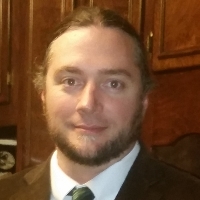
About Jason
Jason Byram is a Licensed Clinical Social Worker (LCSW) in Georgia with seven years of clinical experience. He works with adults facing stress, anxiety, depression, anger, and life changes. He also helps people dealing with addiction, relationship strain, grief, and career pressure.
He uses a practical, skills-based approach drawn from Cognitive Behavioral Therapy. He blends client-centered ideas with techniques from Dialectical Behavior Therapy and motivational interviewing. Sessions often include simple exercises such as guided imagery, body scan meditation, and progressive muscle relaxation.
Jason trained with a Master of Social Work in Clinical Social Work from the University of Georgia, class of 2014. His background includes work in structured CBT programs, medication assisted treatment for substance use, and crisis response for statewide services. He has also worked in correctional settings and with developmental disability crisis services.
In session he focuses on clear goals and concrete strategies. He aims to help people spot unhelpful thinking, reduce impulsive reactions, and build coping tools for daily life. He also supports people who want to strengthen self-regulation and manage strong feelings more effectively.
People can expect straightforward conversations and practical homework to practice between sessions. He encourages using relaxation and mindfulness drills to lower tension in the moment. To begin, clients complete a brief matching questionnaire and schedule a first session.
How his approaches translate to online sessions
Client-Centered Therapy focuses on listening and collaboration. It helps people set their own goals and feel heard while they try new ways of coping. Cognitive Behavioral Therapy (CBT) breaks problems into thoughts, feelings, and actions and teaches practical techniques to change patterns that feed anger and anxiety. Dialectical Behavior Therapy (DBT) offers short skills for distress tolerance, emotion regulation, and clearer communication.Choosing the right approach is a joint process. The therapist will talk with the client about goals and try methods that fit how the client prefers to work. They adjust tools and homework based on what proves helpful in early sessions.
Confirm current session formats before booking. Many people find online sessions helpful because they fit into busy days, allow shorter check-ins during breaks, and make it easier to practice breathing or grounding exercises immediately after a session. If needed, sessions can focus on skill rehearsal, role play for difficult conversations, or guided relaxation exercises that transfer directly into everyday routines.
Areas of expertise
Primary focus
Also works with
Additional focus areas
Therapeutic approaches
Experience
7+ years
Credentials
Georgia
Languages
English
Frequently asked questions
What kinds of problems does he help with?
He helps people with stress, anxiety, depression, anger, addiction, relationship strain, grief, and related concerns.
What is his therapeutic style?
He uses a practical, skills-focused style grounded in Cognitive Behavioral Therapy with client-centered and DBT elements.
How much clinical experience does he have?
He has seven years of clinical experience working in mental health, substance use, crisis response, and correctional settings.
What are his credentials and where is he based?
He is an LCSW and CSW licensed in Georgia and practices with that credential.
Which languages are supported for sessions?
Sessions are offered in English.
Does he work with international clients?
International clients are not currently accepted.
How does pricing work?
Cost varies with location and sessions use a subscription that can be canceled at any time.
How do I get started?
Select the See online therapy options button, complete a short matching questionnaire, and schedule a first session.
Online talk therapy is not emergency care, and no counselor can promise a particular result. If you might hurt yourself or someone else, call or text 988, or call 911. More urgent help