- ACT
- CBT
- DBT
About John
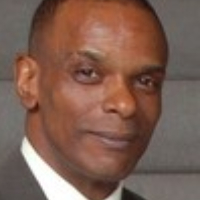
John Ward is a Licensed Clinical Social Worker (LCSW) based in Connecticut with 30 years of experience. He works with people facing addictions, anger, stress, anxiety, relationship and family concerns, trauma and abuse, grief, and related issues. He also addresses parenting, career challenges, bipolar disorder, depression, and compassion fatigue.
In practice he uses a straightforward, interactive style. He focuses on strengths clients already have and gives practical feedback. Sessions aim to help people notice what is getting in the way and try small changes that build on existing skills.
He combines cognitive approaches with client-centered work and other methods to match what a person needs. That can mean practicing new ways to respond in the moment. It can mean learning skills to manage stress, cravings, or overwhelming feelings.
Ward has extensive experience in both substance use counseling and social work across government roles and independent practice. That background informs how he frames problems and looks for workable steps forward. He often draws on mindfulness and emotion-focused ideas when stronger emotional regulation is needed.
People who come for anger concerns often focus on improving communication, reducing reactive responses, and repairing relationships. He also helps with related challenges such as guilt, shame, fatherhood issues, and social anxiety. To begin, he asks about what matters most and suggests practical first steps.
Therapeutic approaches used in online sessions
Acceptance and Commitment Therapy (ACT) emphasizes noticing thoughts and feelings without getting trapped by them and choosing actions that reflect personal values. It can help with anger, stress, and problems that keep repeating. Cognitive Behavioral Therapy (CBT) focuses on identifying unhelpful thought patterns and testing new behaviors to reduce symptoms like anxiety, depression, or reactive anger. Dialectical Behavior Therapy (DBT) teaches concrete skills for managing intense emotions, tolerating distress, and improving interpersonal effectiveness.Finding the right approach is part of the work. The therapist will collaborate with the client to decide which methods fit best based on goals, life circumstances, and personal preferences. That may mean mixing elements from different approaches and adjusting as progress is made.
Session formats are not listed in the provided biography, so confirm current options before booking. Online sessions can make it easier to fit therapy into a busy week, allow shorter check-ins when needed, and reduce time spent traveling. Working this way still focuses on practical skill-building, role plays, and applying tools between sessions so clients can test changes in everyday life.
Areas of expertise
Primary focus
Also works with
Additional focus areas
Therapeutic approaches
Experience
30+ years
Credentials
Connecticut
Languages
English
Frequently asked questions
What kinds of problems does he work with?
He works with addictions, anger, stress, anxiety, relationship and family concerns, trauma and abuse, grief, parenting, self esteem, career issues, mood disorders, and related topics.
What is his therapeutic style?
He uses an interactive, strengths-focused style that gives practical feedback and helps people try small changes based on their existing skills.
How much clinical experience does he have?
He has 30 years of combined experience as an addictions counselor and clinical social worker in government roles and independent practice.
What are his credentials and where is he based?
He is a CT LCSW, a Licensed Clinical Social Worker practicing in Connecticut.
Are sessions offered in other languages?
Sessions are offered in English.
Can international clients work with him?
He does not accept international clients.
How are sessions scheduled and what do they cost?
Cost varies with location and sessions use a subscription that can be canceled at any time.
What should I do to get started?
Select the See online therapy options button, complete the short matching questionnaire, and schedule a first session.
Online talk therapy is not emergency care, and no counselor can promise a particular result. If you might hurt yourself or someone else, call or text 988, or call 911. More urgent help