- ACT methods
- CBT strategies
- Mindfulness practice
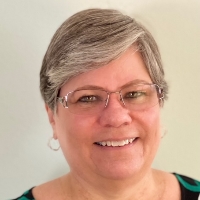
About Judith
Judith (Judy) Durdan is a Licensed Clinical Social Worker (LCSW) with 22 years of experience. She holds a Master of Social Work from Fordham University and is licensed in Connecticut and Florida. Judy helps adults who are feeling overwhelmed by stress, anxiety, anger, grief, depression, sleep problems, or big life changes.
She has worked in both inpatient and outpatient settings. That includes supporting people who experienced homelessness, veterans, and those involved with forensic services, as well as people looking for straightforward help. Her work covers mood and panic disorders, social anxiety, trauma and abuse, and issues like guilt, shame, and isolation.
Judy uses practical, skills-based methods alongside listening and reflection. She draws on Acceptance and Commitment Therapy, Cognitive Behavioral Therapy, Client-Centered approaches, mindfulness, and motivational interviewing. Sessions focus on learning small, usable strategies and using what already works in a person’s life.
Treatment is a shared process. She describes planning sessions together and adjusting the approach as needs change. People can expect short-term strategies and longer-term ways to manage recurring problems, depending on their goals.
Judy works in Florida and conducts work in English. She asks prospective clients to complete a short matching questionnaire and schedule a first session so they can agree on a convenient time and the best way to move forward.
Approach and online session information
Acceptance and Commitment Therapy (ACT) helps people notice difficult thoughts and feelings without getting swept up in them, then focus on actions that align with their values. It can help with anger, anxiety, and motivation to change. Cognitive Behavioral Therapy (CBT) breaks down how thoughts, feelings, and behaviors interact and teaches practical tools to shift unhelpful patterns. That approach is often used for anxiety, mood issues, and sleep difficulties. Client-Centered Therapy emphasizes a respectful, nonjudgmental conversation where the therapist follows the person's pace and priorities.Choosing the right approach is part of the work. Judy will collaborate with each person to figure out which combination of methods fits their goals and preferences. That choice can change over time as needs evolve, and she adjusts her way of working to match what the client wants to try.
Confirm the session formats available before booking, since specific formats are not listed here. Online work can make sessions easier to fit into a day, allow shorter check-ins when needed, and reduce travel time. It also lets people use strategies learned in therapy in the same settings where they face challenges. Discuss format preferences when completing the matching questionnaire and scheduling the first session.
Areas of expertise
Also works with
Additional focus areas
Therapeutic approaches
Experience
22+ years
Credentials
Florida, Connecticut
Languages
English
Frequently asked questions
What kinds of problems does she help with?
She works with stress, anxiety, anger, depression, grief, sleep issues, trauma and related concerns.
What is her therapeutic style?
She uses a practical, skills-focused style combining listening with actionable steps and mindfulness.
How much clinical experience does she have?
She has 22 years of experience in both inpatient and outpatient settings.
What are her credentials and where does she practice?
She is a Licensed Clinical Social Worker (LCSW) licensed in Connecticut and Florida and practices in Florida.
Which languages are supported in sessions?
Sessions are offered in English.
Can she work with people outside the United States?
She does not accept international clients at this time.
How are sessions paid for?
Cost varies by location and sessions use a subscription that can be canceled at any time.
How do I begin working with her?
Select the See online therapy options button, complete a short matching questionnaire, and schedule a first session.
Online talk therapy is not emergency care, and no counselor can promise a particular result. If you might hurt yourself or someone else, call or text 988, or call 911. More urgent help