- CBT techniques
- DBT skills
- Solution-focused work
About Katherine
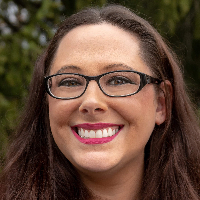
Katherine MacLeod is a Licensed Clinical Social Worker (LCSW) in Missouri with eight years of clinical experience. She works with adults who are dealing with stress, anxiety, depression, self-esteem concerns, relationship strain, anger, and life changes. Katherine notes additional focus on issues such as parenting, intimacy, LGBT concerns, and career stress.
She holds a Bachelor’s in Sociology from the University of Tulsa and a Master’s in Social Work from the University of Missouri-St. Louis. Katherine combines straightforward conversation with practical skills drawn from Cognitive Behavioral Therapy, Dialectical Behavior Therapy, and Solution-Focused Therapy. Sessions often focus on identifying patterns, testing small changes, and building concrete strategies to manage difficult moments.
In practice she helps people name what is most upsetting and choose manageable steps to reduce it. That can mean learning techniques for calm in the moment, changing unhelpful thinking patterns, or setting boundaries that reduce ongoing conflict. She uses short-term goals alongside longer term planning when that fits the person’s needs.
Katherine also works with issues linked to identity and relationships, including gender dysphoria, blended family concerns, and non-monogamous relationship questions. Her approach balances skills training with practical problem solving so people can try new ways of responding and see what helps.
Sessions are focused and down-to-earth. People who are tired of feeling stuck or who want clearer ways to handle anger and frustration may find the concrete tools and step-by-step work helpful.
How her approaches translate to online work
CBT focuses on the link between thoughts, feelings, and actions. In plain terms it helps people notice unhelpful thinking, test it, and try different responses to reduce anxiety, depression, and anger. DBT emphasizes moment-to-moment skills such as emotional regulation, distress tolerance, and clearer communication. These skills can be practiced in short exercises and applied to relationship conflict or workplace frustration. Solution-Focused Therapy centers on finding small, practical steps that lead toward a person’s goals rather than focusing only on problems.Finding the right mix of approaches is part of the process. Katherine will collaborate with the client to decide which methods fit best based on the person’s goals, what has helped before, and how they prefer to work. That means trying tools in session and adjusting them until they make sense and feel usable in daily life.
The biography does not specify which online session formats are used, so confirm current options before booking. Online work can make it easier to fit sessions into a busy schedule, allow shorter check-ins when needed, and reduce time spent traveling. Licensed professionals often adapt CBT, DBT, and solution-focused exercises to remote sessions so practical skill-building continues between meetings.
Areas of expertise
Primary focus
Also works with
Additional focus areas
Therapeutic approaches
Experience
8+ years
Credentials
Missouri
Languages
English
Frequently asked questions
What concerns does she address related to anger?
She works with adults on anger that shows up in relationships, at work, or as ongoing resentment. Anger is listed among the concerns she helps people with.
What is her general therapeutic style?
She uses practical, skills-based methods. The work focuses on identifying patterns, trying small changes, and building coping strategies.
How much experience does she have?
Katherine has eight years of clinical experience working with adults on anxiety, depression, and related issues.
What are her credentials and where is she based?
She is a Licensed Clinical Social Worker (LCSW) licensed in Missouri.
Which languages are supported in sessions?
Sessions are offered in English.
Can international clients work with her?
International clients are not currently accepted.
What formats are available for sessions?
The biography does not list specific session formats. Confirm current session options before booking to know how sessions are held.
How are fees and getting started handled?
Cost varies with location and sessions use a subscription that can be canceled at any time. To begin, select the See online therapy options button, complete the short matching questionnaire, and schedule a first session.
Online talk therapy is not emergency care, and no counselor can promise a particular result. If you might hurt yourself or someone else, call or text 988, or call 911. More urgent help