- CBT methods
- DBT skills
- Attachment work
About Ken
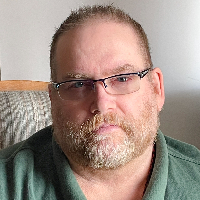
Ken McCauley is a Licensed Clinical Mental Health Counselor (LCMHC) practicing in Utah with 14 years as a licensed therapist. He works with adults on common problems such as stress, anxiety, depression, relationship issues, addictions, ADHD, grief, and anger. His background includes long experience in human services and community mental health settings. He also has experience with adoption and child-abuse related work from earlier roles in state services.
Ken listens actively and looks for strengths people can use to reach their goals. He describes his style as direct and practical, using clear goals and strategies. He avoids stigmatizing labels and focuses on what people can change in their day-to-day lives.
His clinical approach blends Cognitive Behavioral Therapy, client-centered ideas, and Dialectical Behavior Therapy techniques. He also uses Attachment-Based Therapy and EMDR when those approaches suit the issue. Sessions often focus on identifying upsetting thoughts, learning coping skills, and practicing different responses to triggers.
Ken has worked in outpatient settings that included court-ordered treatment and substance use treatment, and he has supported people facing housing and financial instability. That experience informs how he helps clients manage practical stressors alongside emotional concerns. He aims to help people build skills they can use outside of sessions.
People who choose him can expect straightforward discussions about patterns that maintain problems, concrete coping tools, and collaborative goal setting. To get started, the usual first steps are a short questionnaire and scheduling an initial session through the site.
How his approaches translate to online sessions
Ken blends Cognitive Behavioral Therapy and Attachment-Based Therapy in ways that translate well to remote work. CBT focuses on identifying unhelpful thoughts and practicing new behaviors; it is useful for anger, anxiety, and mood issues. Attachment-Based Therapy looks at patterns from early relationships that affect current reactions and helps people notice and change those patterns.Choosing an approach is a collaborative process. The therapist will talk with the client about goals, past experiences, and what feels most helpful. Together they try one method and adjust course based on how it fits the client’s needs and preferences.
Session formats are not listed in the biography, so confirm current options before booking. Online sessions can help fit therapy into a busy life by reducing travel time and allowing sessions during breaks or evenings. They can also make it easier to practice coping skills in real-world routines and to check in more frequently when that helps progress.
Areas of expertise
Primary focus
Also works with
Additional focus areas
Therapeutic approaches
Experience
14+ years
Credentials
Utah
Languages
English
Frequently asked questions
What concerns does he address related to anger?
He works with anger alongside stress, relationship problems, impulsivity, and trauma-related issues.
What is his general approach in sessions?
He listens actively, looks for strengths, and uses goal-oriented strategies drawn from CBT, DBT, and client-centered ideas.
How much clinical experience does he have?
He has 14 years as a licensed mental health therapist and additional years working in human services and community mental health roles.
What are his credentials and where does he practice?
He is an LCMHC licensed in Utah and practices with that credential in the state.
Which languages are sessions offered in?
Sessions are offered in English.
Can people outside the US work with him?
International clients are not currently accepted.
How are sessions arranged and billed?
Cost varies with location and sessions use a subscription that can be canceled at any time.
What are the first steps to begin therapy?
Select the See online therapy options button, complete a short matching questionnaire, and schedule a first session.
Online talk therapy is not emergency care, and no counselor can promise a particular result. If you might hurt yourself or someone else, call or text 988, or call 911. More urgent help