- Client-centered work
- CBT techniques
- Mindfulness practice
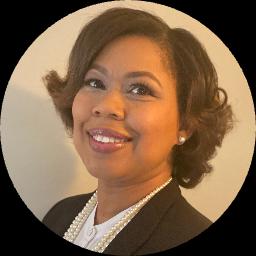
About Kenita
Kenita Perry-Bell is a Licensed Clinical Social Worker (LCSW) with 15 years of experience. She practices in Illinois and lists concerns such as stress, anxiety, grief, anger, self-esteem, depression, addictions, and relationship and family issues.
She has worked in behavioral health settings and with people facing substance use challenges. She also speaks from personal experience as a breast cancer survivor and welcomes conversations about cancer and its effects on loved ones.
Kenita uses an integrative approach in sessions. She relies on client-centered work alongside cognitive behavioral techniques and mindfulness practices. Psychodynamic ideas and motivational interviewing also appear in her toolkit when they fit the work.
In practical terms she listens to what matters most and helps people set steps they can try between sessions. Sessions often include talking through patterns, practicing new responses, and checking what did or did not help in daily life.
Her background includes life coaching and years in health-related roles, which inform how she addresses caregiving stress, chronic illness, and first responder concerns. She also lists focus areas such as attachment and abandonment issues, blended family stress, parenting strains, and forgiveness work.
To begin, users follow the site's matching flow and schedule a first session. Cost varies by location and sessions use a subscription that can be canceled at any time.
How her approaches translate to online work
Kenita draws from client-centered therapy, which focuses on listening closely and shaping sessions around what a person wants to address. That approach helps when people bring anger, grief, or relationship strain and need practical steps and space to talk.She also uses cognitive behavioral therapy, which looks at patterns of thought and behavior and teaches concrete strategies to change them. CBT can be useful for temper control, managing anxiety, and changing reactions at work or home. Mindfulness therapy is another tool she uses; it teaches simple attention and breathing practices to reduce reactivity and support calmer responses.
Finding the right fit is usually a collaborative process. The therapist will discuss goals, try approaches, and adjust plans based on what works for the person. Clients and therapist plan the focus together rather than relying on one fixed method.
The original biography did not list specific session formats, so confirm current session options before booking. Online work can help fit therapy into a busy week, make short check-ins easier, and reduce travel time. It can also allow sessions that focus on skill practice, thought work, and planning real-life experiments between meetings.
Areas of expertise
Primary focus
Also works with
Additional focus areas
Therapeutic approaches
Experience
15+ years
Credentials
Illinois, Texas, Indiana, Nevada
Languages
English
Frequently asked questions
What kinds of anger issues does she handle?
She lists anger among many concerns, including stress, relationship problems, and coping with strong emotions.
What is her therapy style like?
She uses an integrative, client-centered approach with elements of cognitive behavioral work, mindfulness, psychodynamic ideas, and motivational interviewing.
How long has she been practicing?
She has 15 years of experience working as a therapist and life coach in behavioral health settings.
Where is she based and what are her credentials?
She is an Illinois-based clinician and holds the LCSW credential with IL LCSW and TX LCSW listed.
Can people who speak other languages work with her?
Sessions are offered in English.
Does she work with international clients?
She accepts international clients.
How much do sessions cost?
Cost varies with location and sessions use a subscription that can be canceled at any time.
How do I get started with a first session?
Use the See online therapy options button, complete a short matching questionnaire, and schedule a first session.
Online talk therapy is not emergency care, and no counselor can promise a particular result. If you might hurt yourself or someone else, call or text 988, or call 911. More urgent help