- CBT strategies
- Mindfulness practice
- EMDR processing
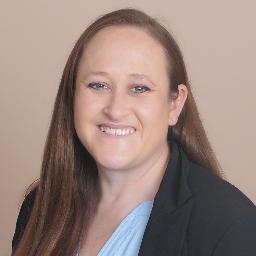
About Lauren
Lauren MacPherson is a Licensed Specialist Clinical Social Worker (LSCSW) practicing in Kansas with 16 years of experience. She helps people who are coping with stress, anxiety, depression, trauma, parenting strain, and anger. Sessions focus on practical steps people can use day to day to manage strong emotions and improve relationships.
Lauren draws on a mix of approaches that include client-centered work, cognitive behavioral tools, dialectical behavior strategies, EMDR, and mindfulness techniques. She uses plain language and concrete skills so people leave sessions with specific things to try between meetings. She also addresses issues like compassion fatigue, grief, self-esteem, and career concerns when they contribute to rising anger or burnout.
In sessions she helps people notice patterns that lead to outbursts or simmering resentment. That might mean practicing breathing and grounding, learning a new way to speak up, or testing a small change at work. Lauren pays attention to how past traumas and current stressors interact with anger and mood problems.
People who are struggling after sexual assault, natural disaster, or other traumatic events can work on processing those experiences alongside anger and anxiety. She also supports those facing isolation, guilt, or difficulty finding direction in life. Lauren aims for clear, step-by-step progress rather than vague goals.
Therapy is conducted in English. Prospective clients should confirm current session options and scheduling details before booking. Lauren uses a subscription-based session model that can be canceled at any time.
How her approaches translate to remote sessions
Client-Centered Therapy focuses on listening and reflecting so people can name what matters. Online work uses that same attention to help clients set goals and try new behaviors between sessions.Cognitive Behavioral Therapy (CBT) breaks down how thoughts, feelings, and actions interact. Remotely, CBT often looks like brief skill practice, worksheets, and action plans to reduce anger and anxiety in daily life.
Dialectical Behavior Therapy (DBT) provides concrete skills for emotion regulation, distress tolerance, and clear communication. These are taught step by step and rehearsed in session so people can use them when frustration rises.
Finding the right approach is part of the work. The therapist will talk with each person about their goals and preferences and will suggest which methods to try first. That choice is revisited as progress is tracked and needs shift.
Confirm the current session options before booking. The therapist uses a subscription payment model that can be canceled at any time. Online sessions can make it easier to fit meetings into a workday, avoid travel, or do shorter check-ins when schedules are tight. Ask about session length and format when you schedule to match the practical needs of your routine.
Areas of expertise
Also works with
Additional focus areas
Therapeutic approaches
Experience
16+ years
Credentials
Kansas
Languages
English
Frequently asked questions
What kinds of concerns does she address?
She works with stress, anxiety, depression, trauma and abuse, anger, parenting strain, ADHD, grief, and related issues.
What is her therapeutic style like?
Her style is practical and client-centered, using CBT, DBT skills, EMDR, and mindfulness to teach concrete coping tools.
How much experience does she have?
She has 16 years of clinical experience working with people facing trauma, mood concerns, and life transitions.
What are her credentials and location?
She is an LSCSW licensed in Kansas and practices with that credential in the state.
Which languages are supported?
Sessions are offered in English only.
Does she work with international clients?
She does not accept international clients at this time.
How are sessions paid for?
Cost varies with location and sessions use a subscription that can be canceled at any time.
How do I begin working with her?
Use the See online therapy options button, complete the short matching questionnaire, and schedule a first session.
Online talk therapy is not emergency care, and no counselor can promise a particular result. If you might hurt yourself or someone else, call or text 988, or call 911. More urgent help