- CBT and DBT methods
- Attachment perspective
- LGBT issues
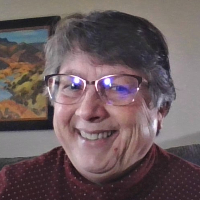
About Leslie
Leslie Cullen is a Licensed Mental Health Counselor (LMHC) in Washington with 30 years of experience. She works with adults who want to manage stress, anger, anxiety, depression, trauma, addiction, and relationship problems. Leslie also supports people facing grief, sleep troubles, ADHD, and issues around identity and sexual orientation.
She focuses on the present and practical steps clients can try between sessions. Much of her work uses cognitive and behavioral techniques aimed at changing patterns that keep problems going. She pays attention to how current thinking and behavior connect to emotional reactions and interpersonal patterns.
Leslie includes attachment ideas when it helps clients understand how relationships shape feelings and responses. She also draws on mindfulness and reflective work so people can notice how they react in the moment. That noticing often makes it easier to try a different response next time.
Her background includes long experience with diverse populations and with substance use and chronic mental health conditions. She has worked with people dealing with gender and sexual orientation questions and supports LGBTQ clients with those concerns. Practical problem solving and building new habits are central to her sessions.
Leslie aims to help people recognize patterns that trigger anger or resentment and practice alternative ways to respond. Sessions look at triggers, automatic thoughts, and small behavioral changes that reduce repeated conflict and distress.
How Leslie's approaches translate to online work
Leslie uses cognitive behavioral techniques to help people identify unhelpful thoughts and test new behaviors. CBT is practical and goal-focused, useful for anger, anxiety, sleep problems, and mood issues. She also draws on attachment-based ideas to help clients see how relationship patterns shape reactions and emotional responses.Finding the right approach is part of the work. Leslie will discuss goals and preferences and then suggest methods to try. That collaboration helps decide which techniques to prioritize and how to pace the work so it fits the person's life and needs.
The biography does not list specific session formats, so confirm current online options before booking. Many people find remote sessions easier to fit into their day and to maintain continuity between appointments. Online sessions can reduce travel time, allow shorter check-ins when needed, and make it simpler to schedule around work or caregiving. The therapist will also suggest practical homework and short exercises that can be used between sessions to practice new ways of responding to anger and stress.
Areas of expertise
Primary focus
Also works with
Additional focus areas
Therapeutic approaches
Experience
30+ years
Credentials
Washington
Languages
English
Frequently asked questions
Which kinds of concerns does she address?
Leslie works with stress, anger, anxiety, depression, trauma, addictions, relationship and intimacy issues, and related concerns listed in her profile.
What is her therapy style like?
She emphasizes present-focused work using cognitive and behavioral techniques alongside mindfulness and attachment-informed reflection.
How much experience does she have?
Leslie has 30 years of clinical experience as a Licensed Mental Health Counselor.
What credential and location does she hold?
She is an LMHC licensed in Washington and practices from that state.
Does she work in languages other than English?
Sessions are offered in English only.
Can international clients work with her?
International clients are not currently accepted.
What formats are offered for sessions?
The original biography does not specify session formats; confirm current session options before booking.
How do fees and getting started work?
Cost varies with location and sessions use a subscription that can be canceled at any time. To begin, use the See online therapy options button, complete a short matching questionnaire, and schedule a first session.
Online talk therapy is not emergency care, and no counselor can promise a particular result. If you might hurt yourself or someone else, call or text 988, or call 911. More urgent help