- Stress and anxiety
- Trauma and abuse
- Depression support
About Mark
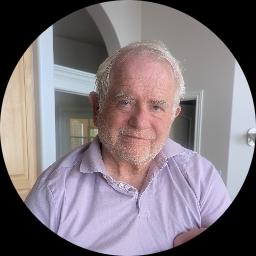
Mark Jim Shelton is a Licensed Clinical Social Worker (LCSW) practicing in Utah with 40 years of professional experience. He works with people facing stress, anxiety, relationship problems, trauma and abuse, anger, and depression. He also addresses related concerns such as chronic pain and illness, codependency, substance issues, and obsessive or panic symptoms.
Mark treats people as the experts on their own lives. He listens for strengths and uses those strengths to help people move through difficult patterns. Sessions are practical and straightforward, focusing on what a person can try between meetings as well as during them.
He encourages small, manageable steps rather than sudden overhauls. That can mean practicing how to name and slow an anger response, testing different ways to bring up a tough conversation, or building routines that reduce day-to-day stress. The emphasis is on clear, usable skills that fit into real life.
Mark draws on evidence-based therapeutic techniques to guide work with trauma, mood concerns, and relationship tensions. He frames therapy as a collaborative effort where the client’s goals direct the pace and focus. He aims to create practical plans people can use after a session ends.
People who reach out can expect direct, respectful discussion of problems and options. Mark offers help with common barriers such as recurring anger, persistent worry, or the emotional fallout from past abuse. He supports people as they test changes and notice what works for them.
How therapeutic methods translate to online work
Mark draws on evidence-based therapeutic techniques to guide sessions. One common approach focuses on skills training for emotion regulation - teaching practical steps to notice escalation, use breathing or grounding practices, and test new responses to anger. This approach helps with stress, panic, and repeated angry reactions. Another approach addresses trauma-related symptoms by helping people process distressing memories at a manageable pace and build skills to reduce reactivity. That method is often used when past abuse or traumatic events are part of current difficulties.Picking the right approach is part of the work. The therapist and client collaborate to decide which methods to try, based on current goals and what feels doable. Sessions can shift if a technique does not fit, and progress is checked regularly so plans evolve with the client’s needs.
Confirm the available session formats before booking since the biography does not list specific formats. Online work can make it easier to fit therapy into a busy schedule, allow shorter check-ins when time is limited, and reduce travel time. It can also let people use audio-only or video options depending on comfort and bandwidth. Ask about practical scheduling details when you complete the matching questionnaire and set your first appointment.
Areas of expertise
Primary focus
Additional focus areas
Experience
40+ years
Credentials
Utah
Languages
English
Frequently asked questions
What concerns does he address related to anger?
He works with anger alongside stress, anxiety, relationship problems, trauma and depression. He helps people notice patterns and try different responses.
What is his general therapeutic style?
He uses evidence-based therapeutic techniques and a practical, collaborative approach. Sessions focus on skills and small steps people can practice between meetings.
How much experience does he have?
He has 40 years of professional work experience.
What credential does he hold and where is he based?
He is a Licensed Clinical Social Worker, LCSW, licensed in Utah and practices in that state.
Which languages are supported for sessions?
Sessions are offered in English.
Can people outside the US work with him?
He accepts international clients; confirm details about scheduling and time zones when arranging sessions.
How does his pricing and payment work?
Cost varies with location and sessions use a subscription model that can be canceled at any time.
What are the first steps to begin working together?
Select the See online therapy options button, complete a short matching questionnaire, and schedule a first session.
Online talk therapy is not emergency care, and no counselor can promise a particular result. If you might hurt yourself or someone else, call or text 988, or call 911. More urgent help