- Client-centered work
- Cognitive Behavioral Therapy
- Practical homework tasks
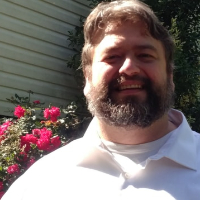
About Mark
Mark Mazzoni is a Licensed Professional Counselor (LPC) in Georgia with 20 years of experience in mental health. He combines professional training with extensive life experience as a parent to five children. He lists stress, anxiety, addictions, anger, mood concerns, relationship and family challenges, trauma, sleep problems, parenting, ADHD, and related issues among his focus areas.
Mark describes his approach as collaborative. He and the client work together to identify problems and break them into small, reachable goals. Sessions often include homework and practical tasks the client can try between meetings. He may offer Spiritual Therapy when specifically requested by Christian clients.
When a step is completed, Mark and the client set the next goal. He uses elements of Cognitive Behavioral Therapy and Adlerian ideas within a client-centered frame. He aims for straightforward problem solving and clear next steps rather than vague discussion.
His background includes a bachelor’s degree in Religious Studies and a master’s degree in Community Mental Health Counseling. He also completed two years of church-based Christian Counseling certification. Mark reports experience working with people who have severe and persistent mental illness and substance use disorders across varied settings.
Sessions focus on practical change, such as managing anger or reducing anxiety through doable strategies. He asks for honesty about how days are going so tasks and goals can be adjusted. The emphasis is on steady progress through small, measurable steps.
How his therapeutic approaches work for online sessions
Client-Centered Therapy focuses on listening and understanding the person’s perspective. It helps when someone needs a non-directive collaborator to sort out feelings and priorities. Cognitive Behavioral Therapy (CBT) is about spotting unhelpful thinking and testing different behaviors to reduce symptoms. It is often used for anxiety, anger, and mood problems. Existential Therapy looks at life meaning and choices and can help when someone is wrestling with purpose or major life changes.Finding the best approach is part of the work. The therapist will discuss goals, preferences, and how you react to different methods. Together you decide which ideas to try and adapt them as progress is made. That makes the process collaborative rather than handed down.
This therapist’s online session formats are not specified here, so confirm current session options before booking. Online work can make attending sessions easier on busy days. It can allow shorter check-ins, eliminate commute time, and help fit therapy into a lunch break or evening. It also lets clients use strategies in their everyday environment and report back on what did or did not work.
Areas of expertise
Primary focus
Also works with
Additional focus areas
Therapeutic approaches
Experience
20+ years
Credentials
Georgia
Languages
English
Frequently asked questions
What kinds of concerns does he address?
He lists stress, anxiety, addictions, anger, bipolar disorder, depression, relationship and family issues, trauma and abuse, sleep problems, parenting, self-esteem, career, ADHD, and related concerns.
What is his therapeutic style?
He uses a collaborative, goal-focused style. Expect problem identification, small goals, homework, and occasional therapeutic challenges between sessions.
How much experience does he have?
He has 20 years of work in mental health settings and reports experience across varied settings with people who have severe mental illness and substance use disorders.
What are his credentials and where is he based?
He is a Licensed Professional Counselor (LPC) in the state of Georgia.
Which languages are supported?
Sessions are offered in English.
Can international clients work with him?
He does not accept international clients at this time.
How are sessions billed?
Cost varies with location; sessions use a subscription that can be canceled at any time.
How do I get started?
Select the See online therapy options button, complete a short matching questionnaire, and schedule a first session.
Online talk therapy is not emergency care, and no counselor can promise a particular result. If you might hurt yourself or someone else, call or text 988, or call 911. More urgent help