- Acceptance and Commitment Therapy
- Cognitive Behavioral Therapy
- Attachment work
About May
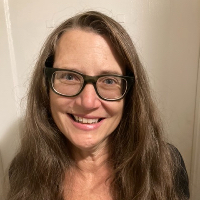
May Kirby is an LPC (Licensed Professional Counselor) based in South Carolina with 10 years of clinical experience. She works with adults facing stress, anxiety, depression, anger, relationship strain, trauma and abuse, and related issues. May supports people dealing with addictions, grief, self-esteem, sleep and eating problems, and career or life transitions.
She practiced for eight years in an intensive outpatient mental health setting and has since continued independent practice work. That background means she is used to short-term problem solving and also longer-term work when it is needed. Her practical focus is on building a working relationship that helps people notice patterns, try different responses, and make steady changes.
May uses a mix of approaches when a single method won’t fit. She draws on Acceptance and Commitment Therapy and Cognitive Behavioral Therapy to address thoughts and behavior. She also uses Attachment-Based and Client-Centered ideas to explore connection and how past relationships shape present reactions.
Sessions are conversational and goal-oriented. People can expect straightforward language and hands-on strategies for managing anger, panic, compulsions, or mood swings. The therapist helps clients learn new skills, practice them between sessions, and check what works in daily life.
She also brings experience with harder-to-name problems such as abandonment, caregiving stress, codependency, and isolation. May works with clients around intimacy, identity questions including LGBT concerns, and complex mood or personality patterns. To begin, readers are invited to use the site match process to schedule a first meeting.
How her approaches translate to online work
Acceptance and Commitment Therapy helps people notice thoughts and feelings without getting stuck in them, and then take action based on values. It can be helpful for anger, anxiety, and life changes. Cognitive Behavioral Therapy looks at the links between thoughts, feelings, and behaviors and teaches practical skills to change unhelpful patterns. That method is often used for panic, mood problems, obsessions, and compulsions.Finding the right approach is part of the work. May will collaborate with each person to choose methods that suit their goals and preferences. She draws on different ideas rather than sticking to a single model, and will check in regularly to see which strategies are helping.
The original biography does not list specific session formats, so confirm current online options before booking. Online sessions can make it easier to fit therapy around work, care responsibilities, or travel. They also let people use shorter check-ins when needed, avoid camera use if that helps, or link sessions into a weekday break. These practical benefits can make it simpler to try tools and practice skills between meetings.
Areas of expertise
Primary focus
Also works with
Additional focus areas
Therapeutic approaches
Experience
10+ years
Credentials
South Carolina
Languages
English
Frequently asked questions
What kinds of concerns does she address?
May works with stress, anxiety, depression, anger, trauma and many related concerns such as addiction, grief, self-esteem, and sleep or eating problems.
What is her therapeutic style?
Her approach is conversational and practical, focusing on the relationship and hands-on strategies to change patterns and manage strong emotions.
How long has she been practicing?
She has 10 years of experience, including eight years in an intensive outpatient mental health setting.
What are her credentials and location?
She is an LPC in South Carolina and practices as a Licensed Professional Counselor in that state.
Which languages are sessions offered in?
Sessions are offered in English and she accepts international clients.
What session formats are available?
The original biography does not list specific session formats; confirm current session options before booking.
How are fees handled?
Cost varies with location and sessions use a subscription that can be canceled at any time.
What should I do to get started?
Select the See online therapy options button, complete a short matching questionnaire, and schedule a first session.
Online talk therapy is not emergency care, and no counselor can promise a particular result. If you might hurt yourself or someone else, call or text 988, or call 911. More urgent help