- CBT methods
- ACT techniques
- DBT skills
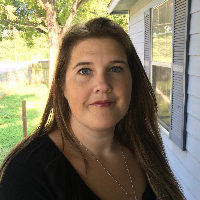
About Melanie
Melanie Mullins is a licensed mental health counselor with eight years of clinical experience. She holds the LMHC and LPC credentials and practices in New York. Melanie lists stress, anxiety, grief, depression, anger, and a range of relationship and life-change concerns among the issues she addresses.
Her work is straightforward and practical. She uses Cognitive Behavioral Therapy to help people notice patterns of thought and behavior that keep problems going. She also draws on Acceptance and Commitment Therapy and Dialectical Behavior Therapy tools to teach coping skills and ways to manage strong emotions.
In sessions Melanie listens without judgment and helps people identify small, concrete steps they can try between meetings. She focuses on finding areas where someone can exercise control and build routines that reduce overwhelm. When anger or resentment comes up, she works with clients to notice triggers and practice responses that lower conflict.
Melanie also addresses related concerns such as sleep and eating problems, parenting strain, work stress, addiction, and issues with intimacy and communication. She mentions additional focus areas like abandonment, commitment issues, and caregiver stress when these link to current problems.
Her approach mixes skill-building with reflective conversation. Clients can expect short-term strategies alongside longer-term skill practice. Melanie asks about goals early on and revisits them as work progresses to keep sessions relevant and practical.
Therapeutic approaches used in online work
Acceptance and Commitment Therapy (ACT) helps people notice thoughts and feelings without getting stuck in them. It focuses on clarifying personal values and taking small actions that steer life toward those values, which can help when anger or frustration blocks goals.Cognitive Behavioral Therapy (CBT) looks at the links between thoughts, feelings, and actions. It teaches practical experiments and behavior changes to reduce anxiety, depression, and reactive patterns that feed anger.
Dialectical Behavior Therapy (DBT) offers specific skills for managing intense emotions. Skills include distress tolerance, emotion regulation, and interpersonal effectiveness useful for reducing conflicts and handling stress.
Finding the right mix of approaches is part of the work. The therapist will collaborate with the client to pick methods that match their goals, needs, and preferences. That decision is revisited as progress is made so techniques stay useful.
The original biography does not list which session formats are offered. Confirm current session options before booking so you know how sessions are delivered. Online work can make it easier to fit sessions into a day, allow shorter check-ins when needed, and remove travel time. Licensed professionals often adapt materials and exercises for remote meetings so practical skill practice continues between sessions.
Areas of expertise
Primary focus
Also works with
Additional focus areas
Therapeutic approaches
Experience
8+ years
Credentials
Connecticut, New York
Languages
English
Frequently asked questions
What kinds of anger problems does she address?
She helps with losing temper, building resentment, stress-related irritability, and handling someone else’s anger. Anger is listed alongside mood and relationship concerns.
What is her general approach in sessions?
She uses practical, skills-based work such as Cognitive Behavioral Therapy and DBT skills. Sessions focus on noticing triggers and learning specific ways to respond differently.
How much clinical experience does she have?
She has eight years of practice as a clinician. That experience includes using evidence-based practices for anxiety, depression, and related concerns.
What are her credentials and location?
She holds LMHC and LPC credentials and practices in New York. Her listed licensure jurisdictions are NY LMHC and CT LPC.
Which languages are sessions offered in?
Sessions are offered in English. International clients are not currently accepted.
What session formats are available?
The original biography does not specify session formats. Confirm current session options before booking to know whether remote or in-person sessions are possible.
How does payment and cost work?
Cost varies with location and sessions use a subscription model that can be canceled at any time. Ask for exact pricing details during intake.
How do I begin working with her?
Use the See online therapy options button, complete a short matching questionnaire, and then schedule a first session. That questionnaire helps match goals and practical needs.
Online talk therapy is not emergency care, and no counselor can promise a particular result. If you might hurt yourself or someone else, call or text 988, or call 911. More urgent help