- CBT methods
- DBT skills
- Psychodrama tools
About Menzo
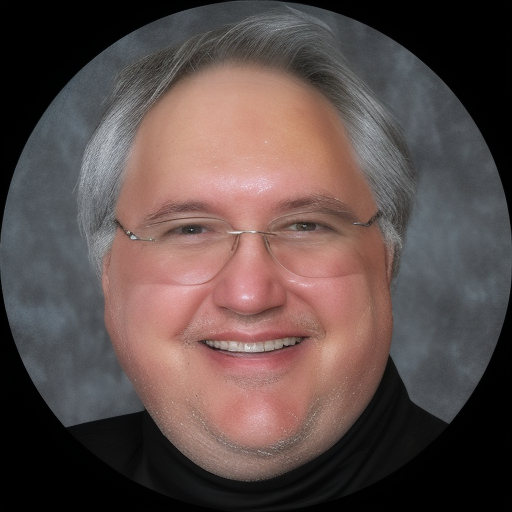
Menzo Faassen is an LPC - Licensed Professional Counselor practicing in Virginia with 24 years of experience. He works with people dealing with depression, addiction, trauma, grief, anxiety, and anger. He also helps with sleep problems, parenting stress, career concerns, and mood disorders.
He focuses on practical steps rather than jargon. Sessions look at current patterns, what makes anger or anxiety flare, and small changes that lower reactivity. Menzo uses clear, direct conversation and collaborative goal-setting to help people regain a sense of control over everyday situations.
His background includes long-term clinical work with LGBTQ communities and veterans, and with people managing attachment issues and family of origin struggles. He draws on several approaches to shape sessions, keeping the work anchored in what the person needs now.
Menzo integrates methods like client-centered listening, Cognitive Behavioral Therapy, Dialectical Behavior Therapy skills, Motivational Interviewing, and Solution-Focused techniques. He also uses psychodrama tools such as the empty chair and role exploration to practice new responses in session.
People come to him to reduce outbursts, handle built-up resentment, manage workplace frustration, or cope with someone else’s anger. He helps set short-term goals, build coping skills, and rehearse different ways of responding so daily life becomes easier to navigate.
How his approaches translate to online work
Client-Centered Therapy focuses on listening and helping people find their own solutions. Online sessions can use that style to review what’s happening day to day and set achievable steps to reduce anger or anxiety. Cognitive Behavioral Therapy (CBT) looks at links between thoughts, feelings, and behavior. In online sessions CBT often means identifying unhelpful thinking, testing new ideas, and practicing alternative responses between meetings. Dialectical Behavior Therapy (DBT) teaches concrete skills for emotion regulation, distress tolerance, and better communication. These skills are taught and practiced in session so people can try them in real life and report back on what worked. Finding the right mix of methods is collaborative. The therapist will discuss goals, try approaches that fit the problem, and adjust based on what helps most. Clients and the therapist decide together which techniques to prioritize. Practical benefits of working online include fitting sessions around work or family time, using shorter check-ins when needed, and avoiding travel time. Confirm the current session options before booking so you know which formats are available. The focus remains on building usable skills for anger, stress, and mood concerns that fit everyday life.Areas of expertise
Primary focus
Also works with
Additional focus areas
Therapeutic approaches
Experience
24+ years
Credentials
Virginia
Languages
English
Frequently asked questions
What kinds of concerns does he help with?
He works with depression, addiction, trauma, grief, anxiety, anger, sleep problems, parenting stress, career issues, and mood disorders among other concerns.
How would you describe his approach in sessions?
He uses practical, client-centered conversation with clear goals. Sessions focus on patterns, skill building, and rehearsing different responses.
How much experience does he have?
He has 24 years of professional experience as a counselor in clinical settings and community work.
What are his credentials and where does he practice?
He is an LPC - Licensed Professional Counselor in Virginia and practices there.
Which languages are sessions offered in?
Sessions are offered in English.
Can international clients work with him?
He does not accept international clients at this time.
What formats are used for sessions?
Please confirm current session options before booking, as the biography does not list specific formats.
How do fees and scheduling work?
Cost varies with location and sessions use a subscription that can be canceled at any time. To get started, use the See online therapy options button, complete the short matching questionnaire, and schedule a first session.
Online talk therapy is not emergency care, and no counselor can promise a particular result. If you might hurt yourself or someone else, call or text 988, or call 911. More urgent help