- Client-centered approach
- Cognitive behavioral techniques
- Motivational interviewing
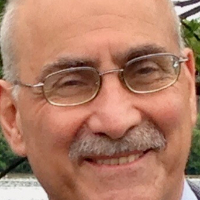
About Michael
Michael Ruberton is a Licensed Clinical Social Worker (LCSW) in Missouri with over 40 years of practice. He works with adults on stress, anxiety, anger, depression, trauma and other concerns listed in his profile. He has long experience in individual, family and group settings and in a range of service environments.
He has worked with people in home-based care, office settings, and institutions. That work has included supporting people affected by trauma and abuse as well as those who have caused harm. He has also worked with mood disorders and related challenges over the decades.
His approach centers on following the client's lead and offering practical support for setting goals. He uses client-centered methods alongside cognitive behavioral techniques and motivational interviewing. He tends to give men particular space to think through options and decide on goals.
Sessions focus on clear, everyday steps rather than abstract theory. Conversations look at what triggers strong reactions, how thoughts and behaviors interact, and small changes that reduce conflict and distress. He also draws on solution-focused ideas to identify helpful next steps in between sessions.
Over his career he has used group formats and individual work; the aim is to foster stronger decision-making and reduced reactivity. People meet to talk through recent incidents, practice alternative reactions, and plan manageable changes. This practical style fits people who want direct, hands-on approaches to anger, relationships, and mood problems.
How his approaches translate to online work
Michael uses client-centered therapy and cognitive behavioral therapy as core methods. Client-centered work means conversations guided by the client's priorities, helping them name problems and set goals. Cognitive behavioral therapy looks at how thoughts, feelings, and actions interact and teaches practical techniques to change unhelpful patterns.He also draws on motivational interviewing to help people clarify what they want to change and build motivation. That method is useful when someone feels stuck or ambivalent about addressing anger, substance use, or mood problems. Together these approaches aim to create clear steps a person can try between sessions.
Finding the right approach is part of the work. The therapist will collaborate with the client to decide which methods fit their needs and goals. That means trying different techniques and adjusting based on what helps in day-to-day life.
Session formats are not specified in the original profile, so confirm current session options before booking. Many people appreciate online sessions because they can fit appointments into work breaks, avoid travel time, or use shorter check-ins when days are busy. Discussing logistics during the first meeting makes it easier to match the approach and timing to real-life constraints.
Areas of expertise
Primary focus
Also works with
Additional focus areas
Therapeutic approaches
Experience
40+ years
Credentials
Missouri
Languages
English
Frequently asked questions
What kinds of concerns does he address?
He works with stress, anxiety, anger, depression, trauma and related issues listed in his profile, including relationship and family problems.
How would he approach anger in sessions?
He uses client-centered conversations combined with cognitive behavioral ideas to identify triggers and try alternative responses.
How much experience does he have?
He has over 40 years of experience in individual, family and group counseling across home, office, and institutional settings.
What are his credentials and where is he based?
He is an LCSW licensed in Missouri and practices with that credential in that state.
Which languages are offered for sessions?
Sessions are offered in English.
Does he work with international clients?
He does not accept international clients at this time.
How are sessions billed?
Cost varies with location; sessions use a subscription model that can be canceled at any time.
How do I begin a first session?
Select the See online therapy options button, complete a short matching questionnaire, and schedule a first session.
Online talk therapy is not emergency care, and no counselor can promise a particular result. If you might hurt yourself or someone else, call or text 988, or call 911. More urgent help