- Anger management tools
- CBT and ACT methods
- Addiction recovery support
About Myron
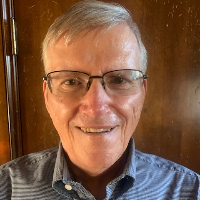
Myron Dianiska is an LPC and LPA with 50 years of experience practicing in Texas. He works with adults who are dealing with stress, anxiety, depression, anger, addictions, and self-esteem concerns. His focus also includes career issues, relationship strain, parenting challenges, and coping with life changes.
He uses straightforward, practical methods in sessions. Conversations focus on what is happening now and on small skills that make daily life easier. Myron draws from cognitive behavioral ideas and mindfulness exercises to help people notice thoughts and calm strong reactions.
He also uses Acceptance and Commitment Therapy (ACT) and a client-centered stance. That means he helps people identify values and take steps that align with those values while respecting each person's pace. Sessions include reflection, skill practice, and planning for real situations outside therapy.
Myron has extensive experience with addiction-related concerns, including drug and alcohol issues and process addictions such as gambling or problematic pornography use. He works with mood disorders, trauma-related reactions, panic, phobias, and sleep problems, and supports those navigating fatherhood or workplace stress.
People who meet with him can expect clear suggestions, breathing and grounding techniques, and cognitive strategies for dealing with intrusive thoughts. He helps clients break larger goals into manageable steps and track small improvements. To begin, prospective clients follow the site process to match and schedule a first session.
Therapeutic approaches used in online sessions
Acceptance and Commitment Therapy (ACT) is about noticing thoughts and feelings without getting stuck in them, then choosing actions that match what matters to you. It can help with anger that comes from feeling overwhelmed or unclear about priorities.Cognitive Behavioral Therapy (CBT) focuses on spotting unhelpful thinking patterns and testing them with small behavioral experiments. It is often useful for anxiety, mood struggles, and reactions that escalate quickly.
Mindfulness Therapy adds short attention and breathing practices to reduce reactivity and improve focus during tense moments. These practices can be used between sessions when emotions flare.
Finding the right approach is a collaborative process. The therapist will work with each person to try methods, see what helps, and adjust based on goals and preferences. That means sessions may mix techniques and evolve over time to fit what works in everyday life.
Confirm the session formats available before booking, as the biography does not list formats explicitly. Online work can make it easier to fit sessions into a busy schedule, allow shorter check-ins when needed, and let people use audio-only options if video is difficult. Therapists and licensed professionals often tailor pacing and homework to fit work, parenting, and other daily responsibilities.
Areas of expertise
Primary focus
Also works with
Additional focus areas
Therapeutic approaches
Experience
50+ years
Credentials
Texas, New Jersey, New Mexico
Languages
English
Frequently asked questions
What concerns does he work with related to anger?
He supports adults with anger along with stress, anxiety, depression, addictions, and relationship issues.
What is his general therapeutic style?
He uses practical, skills-based work drawing on CBT, ACT, client-centered techniques, and mindfulness exercises.
How long has he been practicing?
He brings five decades of clinical experience to his practice.
What are his credentials and where is he located?
He holds LPC and LPA credentials and practices in Texas.
Which languages are sessions offered in?
Sessions are offered in English.
Does he work with international clients?
International clients are not currently accepted.
How are sessions charged?
Cost varies with location and sessions use a subscription that can be canceled at any time.
How do I get started with him?
Select the See online therapy options button, complete the short matching questionnaire, and schedule a first session.
Online talk therapy is not emergency care, and no counselor can promise a particular result. If you might hurt yourself or someone else, call or text 988, or call 911. More urgent help